
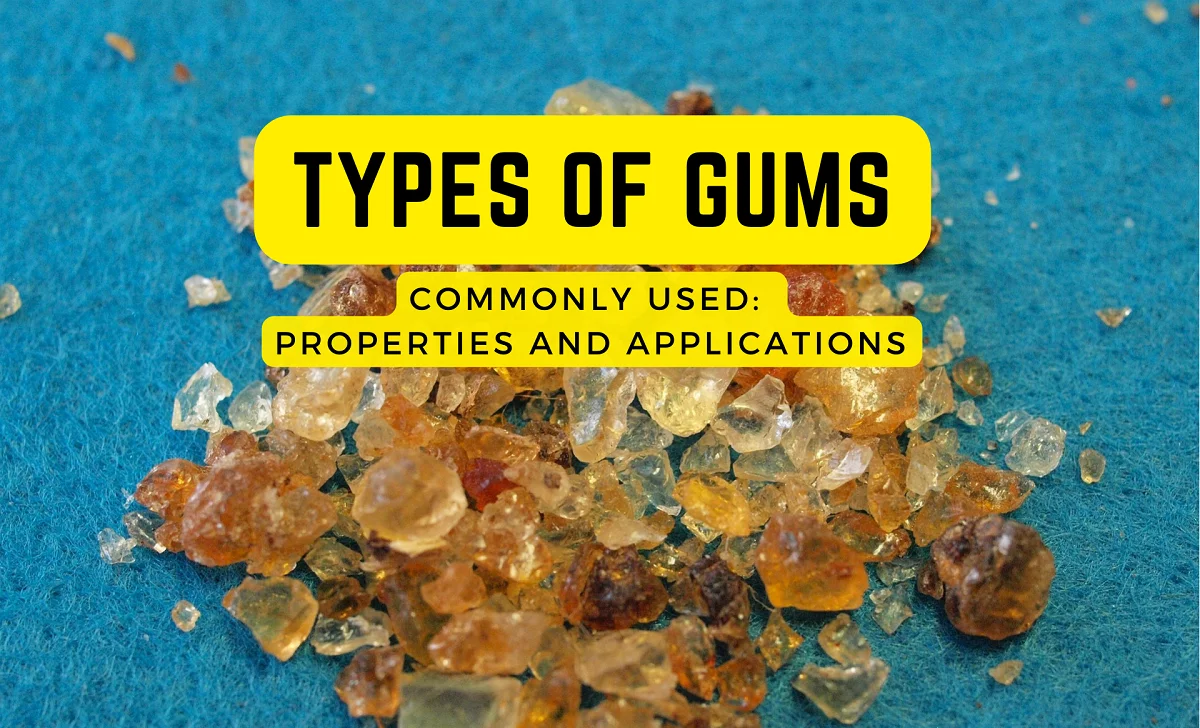
Types of Gums Commonly Used: Properties and Applications

Types of Gums Commonly Used: Gums are a vital ingredient in the food, pharmaceutical, and cosmetic industries. They are natural polymers that enhance the texture, stability, and sensory properties of food products. In this article, we will discuss the most commonly used gums in the industry and their properties. Gums are a group of hydrocolloids that are widely used in the food, pharmaceutical, and cosmetic industries. They are polysaccharides that can form gels or viscosities when mixed with water or other liquids. Gums are used to improve the texture, consistency, and stability of products.

Gums in The Food industry

In the food industry, gums are used in a variety of products such as sauces, dressings, bakery goods, confectionery, dairy products, and meat products. They can be used to thicken, stabilize, emulsify, and bind ingredients, as well as to prevent crystallization and extend shelf life. Gums can also be used in low-fat or low-sugar products to improve the texture and mouthfeel.

Gums in The Pharmaceutical industry

In the pharmaceutical industry, gums are used as binders, disintegrants, and sustained-release agents in tablets and capsules. They can also be used to improve the viscosity and flow properties of liquid formulations.

Gums in The Cosmetic industry

In the cosmetic industry, gums are used as thickeners, emulsifiers, and stabilizers in lotions, creams, shampoos, and other personal care products. They can also be used to improve the texture and spreadability of products.

The importance of gums in these industries cannot be overstated. Gums are essential for achieving the desired properties of products, such as texture, viscosity, and stability. Without gums, many products would not be able to be produced in a consistent and desirable manner.

Types of Gums

1. Xanthan Gum

Xanthan gum is a high molecular weight polysaccharide produced by the bacterium Xanthomonas campestris. It is widely used in the food industry as a thickener, stabilizer, and emulsifier. It is also used in the pharmaceutical and cosmetic industries. Xanthan gum is highly soluble in cold water and can form stable gels at low concentrations.

2. Guar Gum

Guar gum is a galactomannan polysaccharide extracted from the seeds of the guar plant. It is widely used in the food industry as a thickener, stabilizer, and emulsifier. Guar gum is highly soluble in cold water and can form stable gels at low concentrations. It is also used in the pharmaceutical and cosmetic industries.

3. Gum Arabic

Gum arabic is a natural gum exudate obtained from the stems and branches of Acacia Senegal and Acacia seyal trees. It is widely used in the food industry as a stabilizer, emulsifier, and thickener. Gum arabic is highly soluble in water and can form stable gels at low concentrations. It is also used in the pharmaceutical and cosmetic industries.

4. Carrageenan

Carrageenan is a family of linear sulfated polysaccharides extracted from red seaweeds. It is widely used in the food industry as a thickener, stabilizer, and emulsifier. Carrageenan can form stable gels at low concentrations and is highly soluble in water. It is also used in the pharmaceutical and cosmetic industries.

5. Locust Bean Gum (Carob Gum)

Locust bean gum, also known as carob gum, is a galactomannan polysaccharide extracted from the seeds of the carob tree. It is widely used in the food industry as a thickener, stabilizer, and emulsifier. Locust bean gum is highly soluble in water and can form stable gels at low concentrations. It is also used in the pharmaceutical and cosmetic industries.

6. Agar

Agar is a polysaccharide derived from seaweed. It is widely used in the food industry as a gelling agent, thickener, and stabilizer. Agar can form strong gels at low concentrations and is highly soluble in hot water. It is also used in the pharmaceutical and cosmetic industries.

7. Gellan Gum

Gellan gum is a high molecular weight polysaccharide produced by the bacterium Sphingomonas elodea. It is widely used in the food industry as a gelling agent, thickener, and stabilizer. Gellan gum can form strong gels at low concentrations and is highly soluble in hot water. It is also used in the pharmaceutical and cosmetic industries.

8. Tara Gum

Tara gum is a galactomannan polysaccharide extracted from the seeds of the tara tree. It is widely used in the food industry as a thickener, stabilizer, and emulsifier. Tara gum is highly soluble in water and can form stable gels at low concentrations. It is also used in the pharmaceutical and cosmetic industries.

9. Arabic Gum

Arabic gum is a natural exudate obtained from the stems and branches of Acacia Senegal and Acacia seyal trees. It is widely used in the food industry as a stabilizer, emulsifier, and thickener. Arabic gum is highly soluble in water and can form stable gels at low concentrations. It is also used in the pharmaceutical and cosmetic industries.

10. Konjac Gum (Glucomannan)

Konjac gum, also known as glucomannan, is a polysaccharide derived from the root of the konjac plant. It is widely used in the food industry as a thickener, stabilizer, and gelling agent. Konjac gum is highly soluble in water and can form stable gels at low concentrations. It is also used in the pharmaceutical and cosmetic industries.

11. Tragacanth Gum

Tragacanth gum is a natural gum exudate obtained from the stems and branches of the Astragalus plant. It is widely used in the food industry as a thickener, stabilizer, and emulsifier. Tragacanth gum is highly soluble in water and can form stable gels at low concentrations. It is also used in the pharmaceutical and cosmetic industries.

12. Cellulose Gum (CMC)

Cellulose gum, also known as carboxymethyl cellulose (CMC), is a cellulose derivative. It is widely used in the food industry as a thickener, stabilizer, and emulsifier. Cellulose gum is highly soluble in water and can form stable gels at low concentrations. It is also used in the pharmaceutical and cosmetic industries.

13. Pectin

Pectin is a natural polysaccharide found in the cell walls of plants. It is widely used in the food industry as a gelling agent, thickener, and stabilizer. Pectin can form strong gels at low concentrations and is highly soluble in hot water. It is also used in the pharmaceutical and cosmetic industries.

14. Xanthan Gum

Xanthan gum is a polysaccharide produced by the bacterium Xanthomonas campestris. It is widely used in the food industry as a thickener, stabilizer, and emulsifier. Xanthan gum can form strong gels at low concentrations and is highly soluble in water. It is also used in the pharmaceutical and cosmetic industries.

15. Guar Gum

Guar gum is a galactomannan polysaccharide extracted from the seeds of the guar plant. It is widely used in the food industry as a thickener, stabilizer, and emulsifier. Guar gum is highly soluble in water and can form stable gels at low concentrations. It is also used in the pharmaceutical and cosmetic industries.

Overall, these are the most commonly used types of gums in the food, pharmaceutical, and cosmetic industries. They each have unique properties and uses, but they all serve the common purpose of improving the texture, consistency, and stability of products.

In summary, gums play a vital role in the production of various food, pharmaceutical, and cosmetic products. They are essential for achieving the desired texture, consistency, and stability of products. With the wide variety of gums available, manufacturers have the flexibility to choose the most suitable option for their specific product needs. As the demand for natural and functional ingredients continues to grow, gums will continue to play an increasingly important role in the food, pharmaceutical, and cosmetic industries.

FAQs

  1. Are gums safe to consume? Yes, gums are generally recognized as safe (GRAS) by regulatory agencies such as the US Food and Drug Administration (FDA) and the European Food Safety Authority (EFSA). However, some people may have allergies or intolerances to certain types of gums.
  2. Can gums be used in vegan products? Yes, many types of gums are plant-based and can be used in vegan products.
  3. Are gums natural ingredients? Some types of gums, such as agar, carrageenan, and konjac gum, are derived from natural sources. Others, such as xanthan gum and cellulose gum, are produced through fermentation or chemical modification.
  4. Can gums be used in low-fat or low-sugar products? Yes, gums can be used to improve the texture and stability of low-fat or low-sugar products.
  5. Are gums used in pet food? Yes, gums are commonly used in pet food as thickeners, stabilizers, and emulsifiers.
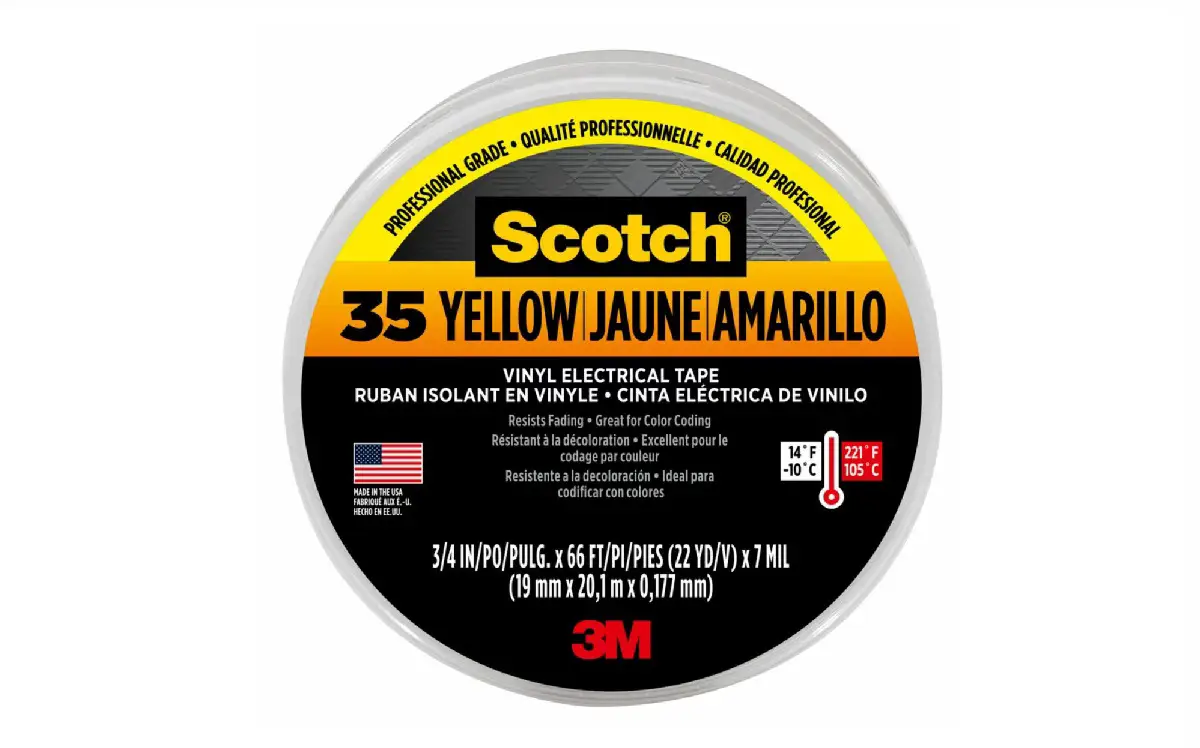
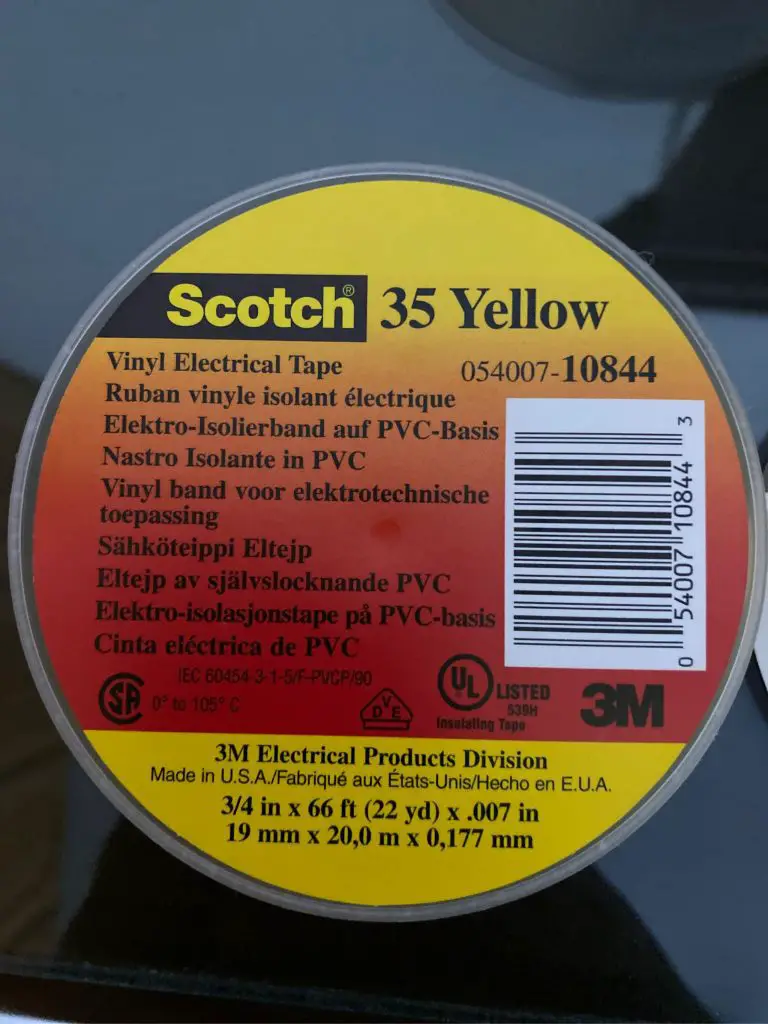
Image by montemari from Pixabay

3M Scotch® 35 Vinyl Electrical Tape, 3/4 in. x 66 ft. x 7 mil., Yellow

When it comes to electrical maintenance and insulation, using the right products is crucial to ensure safety and efficiency. One such product is the Scotch® Vinyl Electrical Tape in Yellow, a professional-grade solution that offers a range of features and benefits.

In this article, we will dive deeper into the specifications and details of this electrical tape, as well as its applications, benefits, and why it is a top choice for professionals.

When it comes to electrical insulation, Scotch® Vinyl Electrical Tape is a top choice for many professionals. In this article, we will dive into what makes this tape so unique and why it’s an essential tool for anyone working with electrical equipment.

What is Scotch® Vinyl Electrical Tape?

Definition

Scotch® Vinyl Electrical Tape is a type of pressure-sensitive adhesive tape that is designed to insulate electrical wires and other materials that conduct electricity.

Composition

It is made of a thin layer of vinyl that is coated with an adhesive material on one side. This adhesive layer is what allows the tape to stick to surfaces and create a strong seal.

Features of Scotch® Vinyl Electrical Tape

Durability

Scotch® Vinyl Electrical Tape is designed to withstand harsh environments, making it ideal for outdoor use. The tape is resistant to moisture, acids, alkalies, and various chemicals, ensuring that it will not deteriorate quickly.

Flexibility

Scotch® Vinyl Electrical Tape is highly flexible, making it easy to wrap around irregular shapes and curves. It can also be stretched slightly, allowing it to conform to various surfaces without breaking.

Electrical insulation

The primary function of Scotch® Vinyl Electrical Tape is to insulate electrical equipment, protecting it from damage caused by moisture, dirt, or other contaminants. The tape can also be used to mark wires, indicating their function or voltage.

Color options

Scotch® Vinyl Electrical Tape comes in various colors, making it easy to identify different circuits or wires. In this article, we will focus on the yellow variant, which is commonly used for high voltage wires.

Benefits of Using Scotch® Vinyl Electrical Tape

Easy to use

Scotch® Vinyl Electrical Tape is incredibly easy to use. Simply peel off the backing and wrap it around the wire or cable you wish to insulate.

Cost-effective

Compared to other types of electrical insulation, Scotch® Vinyl Electrical Tape is relatively inexpensive. This makes it an ideal choice for large projects where cost is a factor.

Versatility

Scotch® Vinyl Electrical Tape is versatile and can be used for various applications. It can be used to insulate wires, mark circuits, or even temporarily hold items in place.

How to Use Scotch® Vinyl Electrical Tape

Preparation

Before applying the tape, ensure that the surface is clean and dry. Remove any dirt or debris, as this can affect the tape’s ability to stick properly.

Wrapping the Tape

To wrap the tape around a wire or cable, start by wrapping it tightly around the wire’s base. Overlap the tape as you go, ensuring that it covers the entire length of the wire. Once you reach the end, cut the tape and press it firmly to ensure a secure seal.

Recap

Scotch® Vinyl Electrical Tape is a high-quality electrical tape that is designed for use in electrical maintenance and insulation applications. It is made from a durable vinyl backing and features a strong rubber adhesive that ensures a reliable and long-lasting hold.

The tape is available in a range of colors, including yellow, which makes it easy to identify and differentiate between different circuits, wires, and cables. It is also designed to resist moisture, UV exposure, and other environmental factors that can cause it to degrade over time.

Specifications and Details

Here are some of the key specifications and details of Scotch® Vinyl Electrical Tape:

  • Adhesive Type: Rubber
  • Applications: Electrical Maintenance, Insulation
  • Backing (Carrier) Material: Vinyl
  • Brands: Scotch®
  • Electrolytic Corrosion Factor: 0.9
  • Elongation at Break: 225.0 Percent
  • Insulation Resistance: > 10^6 megohms
  • Maximum Operating Temperature (Celsius): 105 ℃
  • Minimum Operating Temperature (Celsius): -10 ℃
  • Overall Length (Metric): 20.117 m
  • Overall Width (Metric): 19.05 mm
  • Product Color: Yellow
  • Shelf Life: 5 Year
  • Tape Grade: Professional
  • Tensile Strength (metric): 30 N/10mm
  • Total Tape Thickness without Liner (metric): 0.18 mm
  • Voltage Rating: 600 V

Why Choose Scotch® Vinyl Electrical Tape?

Scotch® Vinyl Electrical Tape is a high-quality, professional-grade tape that offers excellent performance and reliability. Here are some of the reasons why you should choose Scotch® Vinyl Electrical Tape:

  • High-quality materials: Scotch® Vinyl Electrical Tape is made from high-quality materials that provide excellent strength, durability, and electrical insulation.
  • Wide range of applications: The tape is suitable for a wide range of applications, including electrical insulation, wire bundling, labeling, and color coding.
  • Easy to use and apply: Scotch® Vinyl Electrical Tape is easy to use and apply, making it ideal for both professionals and DIY enthusiasts.
  • Trusted brand: Scotch® is a well-known and trusted brand in the world of adhesive tapes, and its Vinyl Electrical Tape is no exception. You can trust that this tape will provide reliable performance in a wide range of applications.

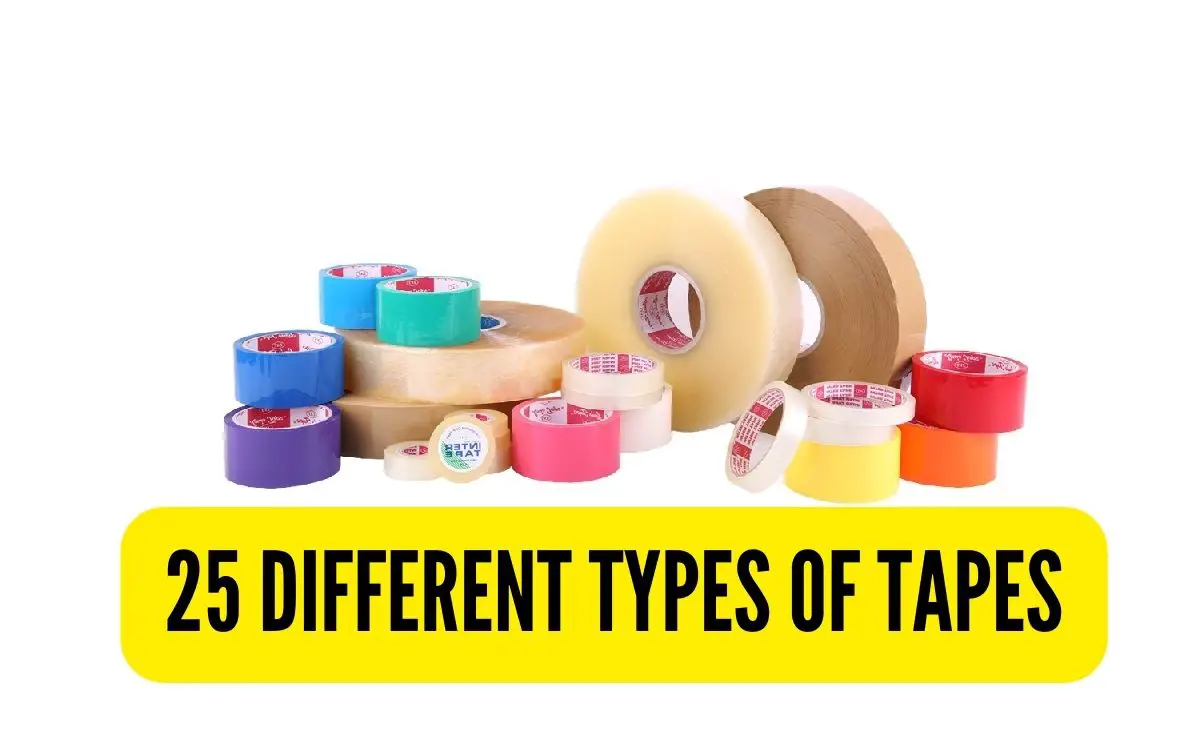
25 Different Types of Tapes: What They Are and How to Use Them

25 Different Types of Tapes: There are many different types of tape, each with its own unique purpose. Here is a list of 25 types of tape, their uses, and descriptions:

1. Duct tape

Duct tape is a strong, waterproof tape that is often used for repairs and temporary fixes. It is available in a variety of colors and widths.

2. Masking tape

Masking tape is a lightweight, non-staining tape that is often used for painting and other crafts. It is available in a variety of colors and widths.

3. Electrical tape

Electrical tape is a thick, rubber-based tape that is often used to insulate electrical wires. It is available in a variety of colors and widths.

4. Packing tape

Packing tape is a strong, clear tape that is often used to seal boxes. It is available in a variety of widths.

5. Double-sided tape

Double-sided tape is a tape with adhesive on both sides. It is often used to hold things together temporarily or permanently.

6. Gaffer’s tape

Gaffer’s tape is a strong, clear tape that is often used in the film and television industry. It is designed to be non-reflective and leave no residue.

7. Cellophane tape – 25 Different Types of Tapes

Cellophane tape is a clear, transparent tape that is often used for wrapping gifts and other items.

8. Scotch tape

Scotch tape is a brand of transparent tape that is often used for general purposes.

9. Scotchgard tape

Scotchgard tape is a water-resistant tape that is often used to protect surfaces from moisture.

10. Contact paper

Contact paper is a self-adhesive paper that is often used to decorate surfaces.

11. Laminating tape

Laminating tape is a clear tape that is often used to laminate documents and other items.

12. Masking fluid

Masking fluid is a liquid that is applied to paper to protect it from paint. It is often used in painting and other crafts.

13. Painter’s tape

Painter’s tape is a tape that is often used to protect surfaces from paint. It is available in a variety of colors and widths.

14. Painter’s plastic

Painter’s plastic is a sheet of plastic that is often used to protect surfaces from paint. It is available in a variety of sizes.

15. Packing peanuts

Packing peanuts are small, lightweight, and porous objects that are often used to fill empty space in boxes. They are made from a variety of materials, including polystyrene, cellulose, and cornstarch.

16. Bubble wrap

Bubble wrap is a plastic sheet that is filled with small air bubbles. It is often used to protect fragile items from damage during shipping.

17. Packing foam

Packing foam is a type of foam that is often used to protect fragile items from damage during shipping. It is available in a variety of shapes and sizes.

18. Shrink wrap

Shrink wrap is a plastic film that is often used to seal packages. It is available in a variety of widths and thicknesses.

19. Heat shrink tubing

Heat shrink tubing is a plastic tube that is often used to insulate electrical wires. It is available in a variety of colors and sizes.

20. Wire ties

Wire ties are plastic or metal straps that are often used to bundle electrical wires together. They are available in a variety of lengths and widths.

21. Cable ties

Cable ties are plastic straps that are often used to bundle cables together. They are available in a variety of lengths and widths.

22. Zip ties

Zip ties are plastic straps that are often used to bundle cables and other objects together. They are available in a variety of lengths and widths.

23. Velcro

Velcro is a type of fastener that is made from two strips of material that are joined together by small hooks. It is often used to hold things together temporarily or permanently.

24. Hook and loop tape

Hook and loop tape is a type of fastener that is made from two strips of material that are joined together by small hooks. It is often used to hold things together temporarily or permanently.

25. Adhesive bandages

Adhesive bandages are small, round pieces of tape that are often used to cover cuts and scrapes. They are available in a variety of sizes and colors. – 25 Different Types of Tapes

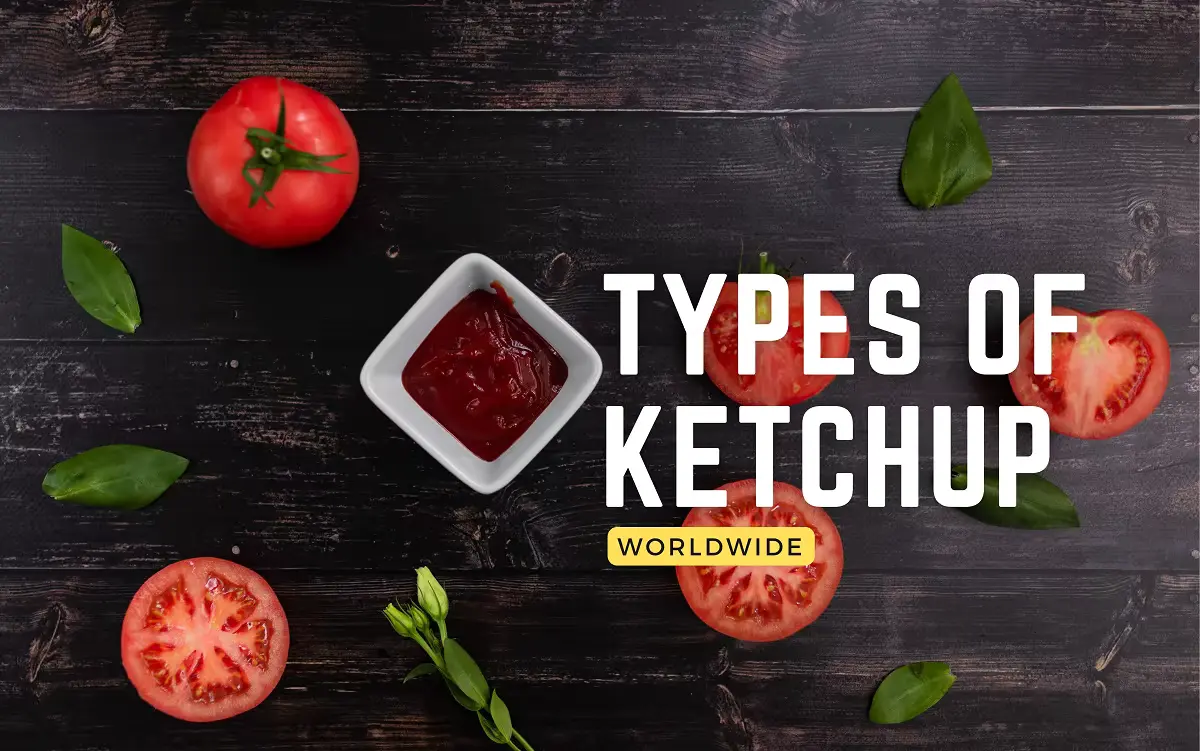
From Tomatoes to Bananas: The Many Different Types of Ketchup

Different Types of Ketchup: Ketchup is one of the most popular condiments in the world, and it comes in a variety of different flavors and styles. While most people are familiar with the classic tomato ketchup, there are many other types of ketchup available from around the world.

Here is a look at some of the most popular types of ketchup from around the world:

  • Traditional ketchup: This is the most common type of ketchup and is made from tomatoes, vinegar, sugar, and spices. It has a thick consistency and a sweet, tangy taste. Traditional ketchup is often used as a condiment for hot dogs, hamburgers, and french fries.
  • Curry ketchup: This type of ketchup is popular in Germany and is made by adding curry powder to traditional ketchup. The result is a sauce with a slightly spicy taste and a hint of sweetness. Curry ketchup is often used as a dipping sauce for french fries and other fast food items.
  • Banana ketchup: This type of ketchup is popular in the Philippines and is made by adding mashed bananas to traditional ketchup. The result is a sauce with a slightly sweet taste and a smooth texture. Banana ketchup is often used as a condiment for fried foods, such as chicken and fish.
  • Mushroom ketchup: This type of ketchup is popular in the United Kingdom and is made by simmering mushrooms with vinegar and spices. The result is a sauce with a rich, umami flavor that is often used as a seasoning for meats and vegetables.
  • Fruit ketchup: This type of ketchup is popular in India and is made by using various fruits such as mango, pineapple, and plum. Fruit ketchup is usually sweet and spicy, and it is often used as a dipping sauce or a marinade for meats.
  • Jalapeño ketchup: This type of ketchup is a spicy version of traditional ketchup that is popular in Mexico and the United States. It is made by adding jalapeño peppers to traditional ketchup, resulting in a sauce with a slightly spicy taste. Jalapeño ketchup is often used as a condiment for burgers and sandwiches.
  • Fish ketchup: This type of ketchup is popular in Thailand and is made by fermenting fish with salt and spices. The result is a sauce with a strong, salty taste that is often used as a condiment for seafood dishes.
  • Soy ketchup: This type of ketchup is popular in Japan and is made by adding soy sauce to traditional ketchup. The result is a sauce with a slightly salty taste and a rich, umami flavor. Soy ketchup is often used as a condiment for rice and noodles.
  • Currywurst ketchup: This type of ketchup is popular in Germany and is made by adding curry powder to tomato paste, resulting in a sauce with a sweet and tangy taste. Currywurst ketchup is often used as a condiment for sausages and hot dogs.
  • Banana chili ketchup: This type of ketchup is unique to the Caribbean and is made by combining mashed bananas with chili peppers and traditional ketchup. The result is a sauce with a sweet and spicy taste that is often used as a condiment for grilled meats and seafood.
  • Sriracha ketchup: This type of ketchup is popular in Thailand and the United States. It is made by adding sriracha sauce to traditional ketchup, resulting in a sauce with a spicy and tangy taste. Sriracha ketchup is often used as a dipping sauce for french fries and other fast food items.
  • Curry banana ketchup: This type of ketchup is popular in the Caribbean and is made by combining mashed bananas, curry powder, and traditional ketchup. The result is a sauce with a sweet and spicy taste that is often used as a condiment for grilled meats and seafood.
  • Tomato chile ketchup: This type of ketchup is popular in Mexico and is made by adding chopped chile peppers to traditional ketchup. The result is a sauce with a slightly spicy taste that is often used as a condiment for tacos and other Mexican dishes.
  • Mushroom soy ketchup: This type of ketchup is popular in Japan and is made by combining soy sauce, mushrooms, and traditional ketchup. The result is a sauce with a rich, umami flavor that is often used as a condiment for rice and noodles.
  • These are just a few of the many different types of ketchup that are available from around the world. With so many different flavors and styles to choose from, there is sure to be a ketchup that everyone can enjoy.

These are just a few of the many different types of ketchup that are available from around the world. With so many different flavors and styles to choose from, there is sure to be a ketchup that everyone can enjoy.

In addition to the different types of ketchup that are available, there are also a variety of different ways to use ketchup. Ketchup is most commonly used as a condiment for hot dogs, hamburgers, and french fries. However, ketchup can also be used in a variety of other dishes, such as:

  • Salad dressings: Ketchup can be added to salad dressings to add sweetness and tanginess.
  • Marinades: Ketchup can be added to marinades to add flavor and moisture to meat and vegetables.
  • Sauces: Ketchup can be used to make a variety of sauces, such as barbecue sauce, ketchup gravy, and ketchup soup.

Ketchup is a versatile condiment that can be used in a variety of different ways. With so many different flavors and styles to choose from, there is sure to be a ketchup that everyone can enjoy.

Image Source Pexels

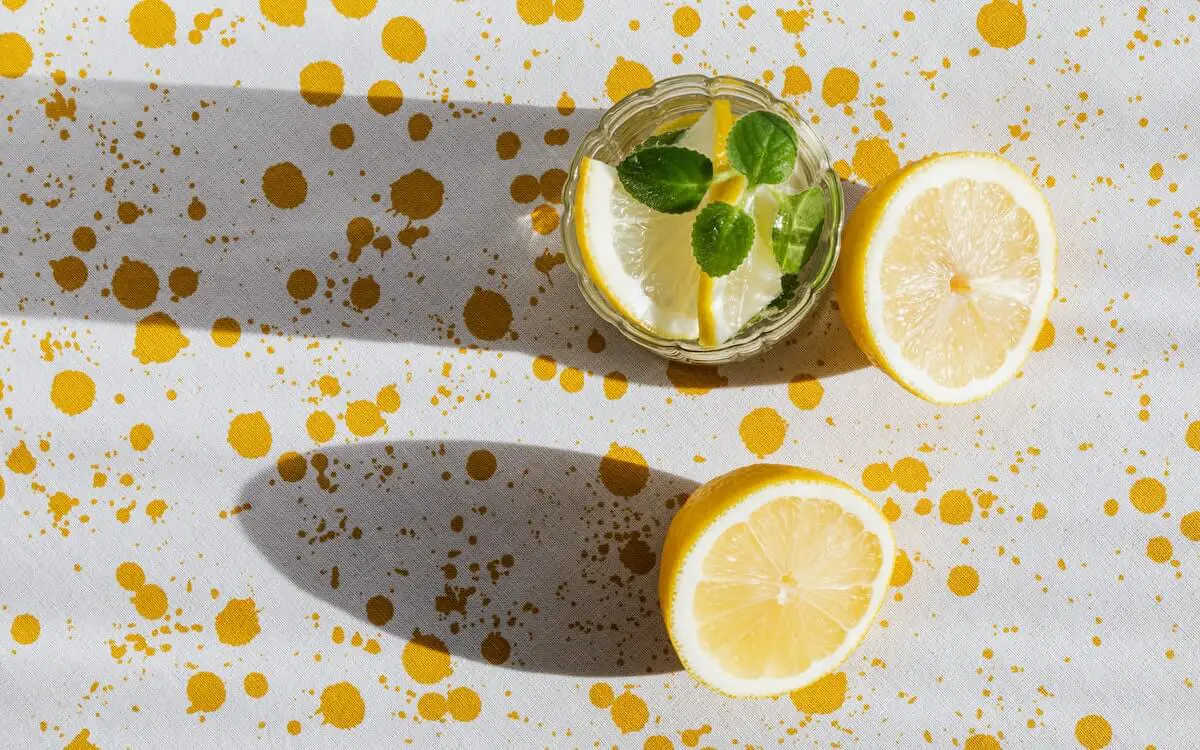
Types of Lemons Available in Pakistan

Pakistan is a country known for its citrus fruits, especially lemons. With a warm climate and fertile soil, lemons are widely grown across the country. However, many people are unaware of the different types of lemons available in Pakistan. In this article, we will explore the various types of lemons grown and consumed in Pakistan, their unique characteristics, and their benefits.

In this article, we will discuss

  1. Introduction
  2. Citrus in Pakistan
  3. Eureka Lemon
  4. Lisbon Lemon
  5. Rough Lemon
  6. Sweet Lemon
  7. Kaghzi Lemon
  8. Persian Sweet Lime
  9. Sanbri Lemon
  10. Citrus Benefits
  11. Conclusion
  12. FAQs

Introduction

Lemons are one of the most popular and versatile citrus fruits. They are used in a variety of dishes, from sweet to savory, and are also used for their health benefits. In Pakistan, lemons are a staple in many households and are grown in abundance. There are several types of lemons grown in the country, each with its unique taste and characteristics.

Citrus in Pakistan

Pakistan is the world’s sixth-largest producer of citrus fruits, and lemons are one of the most popular citrus fruits grown in the country. The country’s warm climate and fertile soil make it an ideal place for growing citrus fruits. Citrus fruits are grown in almost all parts of Pakistan, with Punjab and Sindh being the major citrus-growing provinces.

Eureka Lemon

The Eureka Lemon is one of the most common types of lemons grown in Pakistan. It has a bright yellow color and a smooth, thin skin. Eureka lemons are rich in juice and have a tart flavor, making them a popular choice for making lemonade and other citrus drinks. They are available throughout the year and are widely used in households and restaurants across the country.

Lisbon Lemon

The Lisbon Lemon is another popular type of lemon grown in Pakistan. It has a thick, rough skin and is larger than the Eureka Lemon. Lisbon lemons are less juicy than Eureka lemons, but they have a more acidic and flavorful taste. They are often used in cooking and baking and are also used to make marmalade and other citrus preserves.

Rough Lemon

The Rough Lemon is a type of lemon that is commonly used as a rootstock for grafting other citrus fruits. It has a rough, thick skin and a sour taste, and it is not typically consumed as a fruit. However, it is an essential part of the citrus industry in Pakistan and is widely used in citrus orchards.

Sweet Lemon

As the name suggests, the Sweet Lemon is a type of lemon that has a sweet taste. It has a thin, smooth skin and is smaller than other types of lemons. Sweet lemons are less acidic than other types of lemons and are often used in salads and other dishes that require a mild citrus flavor.

Kaghzi Lemon

The Kaghzi Lemon is a type of lemon that is native to Pakistan. It has a thick, bumpy skin and is larger than other types of lemons. Kaghzi lemons are less juicy than other types of lemons, but they have a rich, aromatic flavor. They are often used in cooking and are also popular in traditional medicine for their health benefits.

Persian Sweet Lime

The Persian Sweet Lime, also known as Mosambi, is a type of lime that is popular in Pakistan. It has a thin, smooth skin and is green in color. Persian sweet limes are sweeter than other types of limes and have a unique flavor. They are often used in drinks and desserts and are also popular in traditional medicine.

Sanbri Lemon

The Sanbri Lemon, also known as Shangri, is a unique type of lemon grown in Pakistan. It has a small, round shape and a thin, soft skin. Sanbri lemons are less acidic than other types of lemons and have a sweet taste. They are often used in salads and other dishes that require a mild citrus flavor.

Citrus Benefits

Citrus fruits are known for their health benefits, and lemons are no exception. Lemons are rich in vitamin C, which is essential for maintaining healthy skin, bones, and immune system. They also contain antioxidants, which can help reduce the risk of chronic diseases. Additionally, lemons are known for their antibacterial and antiviral properties, making them a popular natural remedy for colds and flu.

Conclusion

In conclusion, lemons are an essential part of Pakistani cuisine and culture. The country’s warm climate and fertile soil make it an ideal place for growing citrus fruits, and there are several types of lemons grown in Pakistan, each with its unique taste and characteristics. From the tart Eureka Lemon to the sweet Sanbri Lemon, there is a type of lemon for every palate.

FAQs

  1. Are lemons only used in cooking in Pakistan?
  • No, lemons are used for a variety of purposes in Pakistan, including cooking, traditional medicine, and making drinks.
  1. What is the most popular type of lemon in Pakistan?
  • The Eureka Lemon is the most common type of lemon grown and consumed in Pakistan.
  1. Are lemons grown all year round in Pakistan?
  • Yes, lemons are available throughout the year in Pakistan due to the country’s warm climate.
  1. Are lemons expensive in Pakistan?
  • The price of lemons varies depending on the region and the time of year, but they are generally affordable.
  1. Can lemons be used for skincare?
  • Yes, lemons are often used in skincare products and DIY remedies for their brightening and exfoliating properties.

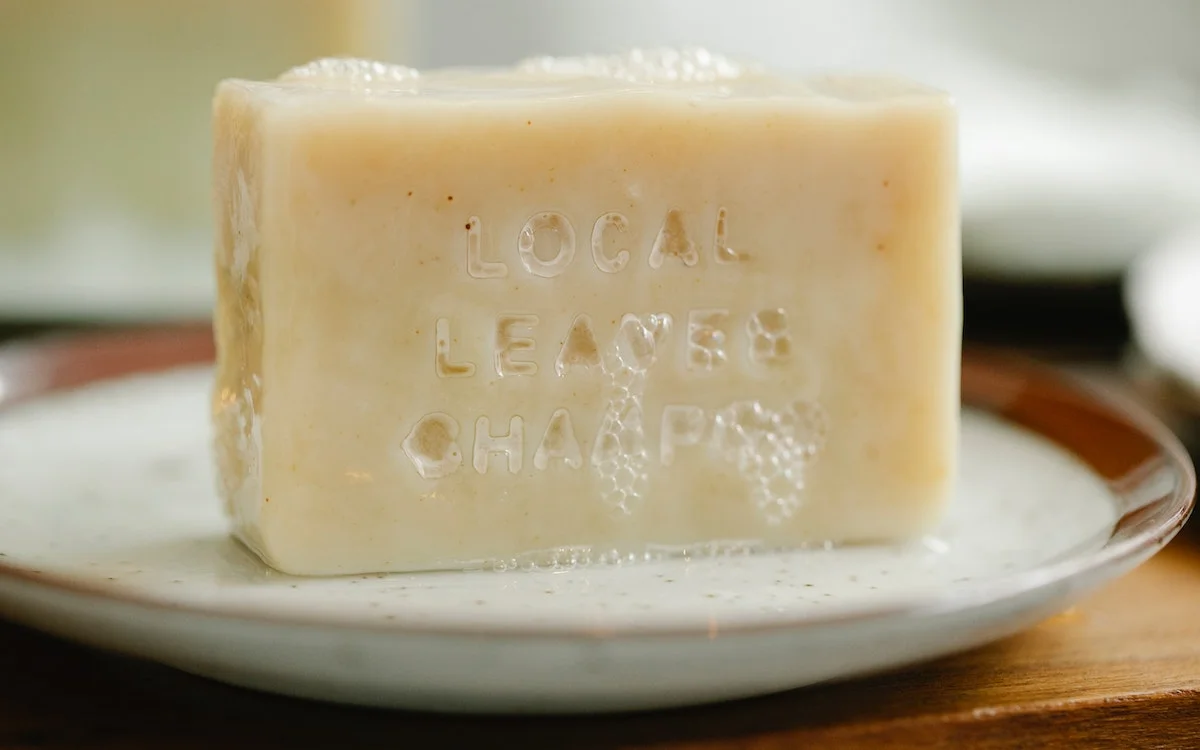
Soap Manufacturing Companies in Pakistan: An Overview

Soap is a necessity for personal hygiene, and with the increasing population in Pakistan, the demand for soap has also increased. This has resulted in the establishment of numerous soap manufacturing companies in Pakistan. In this article, we will take a closer look at the soap manufacturing industry in Pakistan, its growth, and the top companies in the industry.

Introduction

The soap manufacturing industry in Pakistan is a thriving business that has been growing rapidly over the years. The industry is mainly dominated by small to medium-sized companies that produce a variety of soaps for different purposes. These companies are located all over Pakistan, with a high concentration in major cities like Karachi, Lahore, and Islamabad.

History of Soap Manufacturing in Pakistan

Soap manufacturing in Pakistan started back in the 1950s, with the establishment of a few small-scale soap manufacturing companies. These companies mainly produced laundry soap and toilet soap, which were the most commonly used soaps at that time. With time, the industry started to grow, and more companies joined the market, resulting in increased competition.

Types of Soaps Manufactured in Pakistan

There are different types of soaps manufactured in Pakistan, including:

Toilet Soaps

Toilet soaps are the most commonly used type of soap in Pakistan. They are used for personal hygiene purposes and are available in different shapes, sizes, and fragrances. These soaps are made using different ingredients like natural oils, glycerin, and other additives.

Laundry Soaps

Laundry soaps are used for washing clothes and are usually available in the form of bars. These soaps are made using different ingredients like sodium hydroxide, animal fat, and palm oil.

Medicated Soaps

Medicated soaps are specially formulated to treat various skin conditions like acne, eczema, and psoriasis. These soaps contain medicinal ingredients like tea tree oil, salicylic acid, and sulfur.

Baby Soaps

Baby soaps are specially formulated for infants and young children. They are made using gentle ingredients that are safe for the delicate skin of babies.

Top Soap Manufacturing Companies in Pakistan

There are numerous soap manufacturing companies in Pakistan, and here are the top five:

1. Unilever Pakistan

Unilever Pakistan is a multinational company that is well-known for its personal care products, including soaps. The company has a strong presence in Pakistan and produces a range of soap brands like Lux, Lifebuoy, and Dove.

2. Colgate-Palmolive Pakistan

Colgate-Palmolive Pakistan is another multinational company that produces personal care products, including soaps. The company’s soap brands include Palmolive, Protex, and Irish Spring.

3. Reckitt Benckiser Pakistan

Reckitt Benckiser Pakistan is a multinational company that produces a range of consumer goods, including soaps. The company’s soap brands include Dettol, Harpic, and Air Wick.

4. National Soap and Detergent Industries

National Soap and Detergent Industries is a local company that produces a range of soap brands like Cleanz, Bubble, and Tashi. The company has a strong presence in the local market and has been in the business for over 50 years.

5. Karachi Soap Industries

Karachi Soap Industries is another local company that produces a range of soap brands like Al-Khair, Nims, and Sahara. The company has been in the business for over 50 years and has a strong presence in the local market.

Growth of the Soap Manufacturing Industry in Pakistan

The soap manufacturing industry in Pakistan has been growing rapidly over the years, and this can be attributed to several factors. One of the main factors

is the increasing population in Pakistan, which has resulted in an increase in the demand for soap. Additionally, the industry has seen significant growth due to the introduction of new and innovative soap products that cater to different segments of the market.

Moreover, the government’s policies have also played a crucial role in the growth of the soap manufacturing industry in Pakistan. The government has introduced various incentives and tax breaks for local soap manufacturers to encourage local production and reduce the country’s reliance on imports.

Furthermore, the increasing awareness among consumers regarding the benefits of using soap for personal hygiene has also contributed to the growth of the soap manufacturing industry in Pakistan. The availability of different soap products in various fragrances, shapes, and sizes has also contributed to the industry’s growth.

Challenges Faced by the Soap Manufacturing Industry in Pakistan

Despite the growth of the soap manufacturing industry in Pakistan, the industry still faces some challenges. One of the significant challenges faced by the industry is the high cost of raw materials, which are mainly imported. This has resulted in a high production cost, which makes it difficult for small-scale soap manufacturers to compete with multinational companies.

Moreover, the lack of proper regulations and quality standards has also been a significant challenge for the soap manufacturing industry in Pakistan. This has resulted in the production of substandard soap products, which have a negative impact on the industry’s reputation.

Additionally, the industry also faces challenges related to energy shortages and high energy costs, which make it difficult for soap manufacturers to operate efficiently.

Conclusion

In conclusion, the soap manufacturing industry in Pakistan is a thriving business that has been growing rapidly over the years. The industry is mainly dominated by small to medium-sized companies that produce a variety of soaps for different purposes. The top soap manufacturing companies in Pakistan include Unilever Pakistan, Colgate-Palmolive Pakistan, Reckitt Benckiser Pakistan, National Soap and Detergent Industries, and Karachi Soap Industries. The industry has seen significant growth due to the increasing population, the introduction of new and innovative soap products, and the government’s policies. However, the industry still faces some challenges related to the high cost of raw materials, lack of proper regulations and quality standards, and energy shortages.

FAQs

  1. What are the types of soaps manufactured in Pakistan?

Ans: The types of soaps manufactured in Pakistan include toilet soaps, laundry soaps, medicated soaps, and baby soaps.

  1. What are the top soap manufacturing companies in Pakistan?

Ans: The top soap manufacturing companies in Pakistan include Unilever Pakistan, Colgate-Palmolive Pakistan, Reckitt Benckiser Pakistan, National Soap and Detergent Industries, and Karachi Soap Industries.

  1. Why has the soap manufacturing industry in Pakistan been growing rapidly?

Ans: The soap manufacturing industry in Pakistan has been growing rapidly due to the increasing population, the introduction of new and innovative soap products, and the government’s policies.

  1. What are the challenges faced by the soap manufacturing industry in Pakistan?

Ans: The challenges faced by the soap manufacturing industry in Pakistan include high cost of raw materials, lack of proper regulations and quality standards, and energy shortages.

  1. How has the government’s policies contributed to the growth of the soap manufacturing industry in Pakistan?

Ans: The government’s policies have contributed to the growth of the soap manufacturing industry in Pakistan by introducing various incentives and tax breaks for local soap manufacturers to encourage local production and reduce the country’s reliance on imports.

Photo by Sarah Chai

Paint Companies in Pakistan: A Comprehensive Guide

Paint Companies in Pakistan: Pakistan’s construction and real estate industry has been experiencing a significant boom in recent years, and this growth has brought about an increased demand for quality paint products. As a result, several paint companies have emerged in Pakistan to cater to this demand. In this article, we will take a closer look at some of the top paint companies operating in Pakistan and provide a comprehensive guide to their products and services.

In this article, we will cover

  1. Introduction
  2. History of Paint Industry in Pakistan
  3. Major Paint Companies in Pakistan
    • ICI Dulux Pakistan
    • Berger Paints Pakistan Limited
    • Nippon Paint Pakistan
    • Master Paints Industries
    • Brighto Paints
  4. Product Range of Paint Companies
    • Interior Paints
    • Exterior Paints
    • Wood Coatings
    • Industrial Paints
    • Marine Paints
    • Decorative Paints
  5. Customer Service and After-Sales Support
  6. Quality Standards of Paint Companies in Pakistan
  7. Sustainability and Environmental Initiatives
  8. Conclusion
  9. FAQs

Introduction

Pakistan’s paint industry has been growing steadily over the years due to the rapid development of the construction and real estate industry. Paint companies in Pakistan have been able to tap into this growth by producing high-quality paint products that meet the demands of their customers. These companies have not only introduced innovative products but have also been at the forefront of promoting sustainability and environmental initiatives in the country.

History of Paint Industry in Pakistan

The paint industry in Pakistan can be traced back to the pre-independence era, with companies such as ICI Dulux and Berger Paints setting up their operations in the country. However, it was not until the 1990s that the industry started to witness significant growth, owing to the government’s liberal policies and a surge in construction activities. Since then, several local and international paint companies have set up their operations in Pakistan, making it a highly competitive market.

Major Paint Companies in Pakistan

ICI Dulux Pakistan

ICI Dulux is one of the oldest and most well-known paint companies in Pakistan. The company has been operating in the country since 1935 and has a strong presence across the country. ICI Dulux offers a wide range of interior and exterior paints, wood coatings, and industrial paints. The company is also known for its high-quality customer service and after-sales support.

Berger Paints Pakistan Limited

Berger Paints is another leading paint company in Pakistan, with a strong presence in both the domestic and international markets. The company offers a wide range of decorative and industrial paints, wood coatings, and powder coatings. Berger Paints is also known for its focus on sustainability and environmental initiatives.

Nippon Paint Pakistan

Nippon Paint is a Japanese paint company that has been operating in Pakistan since 2007. The company offers a range of high-quality interior and exterior paints, wood coatings, and industrial paints. Nippon Paint is known for its innovative products and its commitment to sustainability and environmental initiatives.

Master Paints Industries

Master Paints is a local paint company that has been operating in Pakistan since 1975. The company offers a wide range of interior and exterior paints, wood coatings, and industrial paints. Master Paints is known for its affordable prices and high-quality products.

Brighto Paints

Brighto Paints is another local paint company that has been operating in Pakistan since 1973. The company offers a wide range of interior and exterior paints, wood coatings, and industrial paints. Brighto Paints is known for its innovative products and its focus on customer satisfaction.

Diamond Paints

Diamond Paints is one of the oldest paint companies in Pakistan, with a history that dates back to 1955. The company offers a wide range of paints for various applications, including interior and exterior paints, wood coatings, and industrial coatings. Diamond Paints is known for its innovative and high-quality products, as well as its commitment to sustainability and environmental initiatives.

Kansai Paints

Kansai Paints is a Japanese paint company that operates in several countries, including Pakistan. The company offers a range of paints and coatings for different applications, including interior and exterior paints, wood coatings, and industrial coatings. Kansai Paints is known for its innovative and high-quality products, as well as its commitment to sustainability and environmental initiatives.

Nelson Paints

Nelson Paints is a well-established paint company in Pakistan that has been operating for over 35 years. The company offers a wide range of high-quality paints and coatings for various applications, including interior and exterior paints, wood coatings, and industrial coatings. Nelson Paints is known for its commitment to quality and innovation, as well as its use of advanced technology in its products. The company also provides color consultancy services and technical support to its customers, ensuring that their needs are met with the utmost care and attention. Overall, Nelson Paints is a trusted and reliable paint company in Pakistan that offers excellent products and services to its customers.

Product Range of Paint Companies

Most paint manufacturers in Pakistan offer a wide range of products that cater to the diverse needs of their customers. Here are some of the common types of paints offered by paint companies in Pakistan:

Interior Paints

Interior paints are used for painting the walls and ceilings of indoor spaces. Most paint manufacturers in Pakistan offer a variety of interior paints, including emulsions, enamels, and distempers. These paints come in a range of colors and finishes, from matte to high gloss.

Exterior Paints

Exterior paints are designed to withstand harsh weather conditions and protect the exterior surfaces of buildings. Most paint companies in Pakistan offer a variety of exterior paints, including weather-resistant paints, textured paints, and water-resistant paints.

Wood Coatings

Wood coatings are used for protecting and enhancing the natural beauty of wooden surfaces. Most paint companies in Pakistan offer a range of wood coatings, including varnishes, stains, and sealers.

Industrial Paints

Industrial paints are used for painting machinery, equipment, and other industrial surfaces. Most paint companies in Pakistan offer a variety of industrial paints, including epoxy coatings, polyurethane coatings, and heat-resistant coatings.

Marine Paints

Marine paints are used for painting boats, ships, and other marine structures. Most paint companies in Pakistan offer a range of marine paints, including anti-corrosive paints, anti-fouling paints, and high-gloss finishes.

Decorative Paints

Decorative paints are used for creating unique and attractive finishes on walls and other surfaces. Most paint companies in Pakistan offer a range of decorative paints, including metallic paints, texture paints, and stencil paints.

Customer Service and After-Sales Support

Customer service and after-sales support are essential factors that customers consider when choosing a paint company. Most paint companies in Pakistan offer a range of services to their customers, including color consultancy, on-site support, and warranty claims.

Quality Standards of Paint Companies in Pakistan

Quality standards are critical factors that determine the reliability and durability of paint products. Most paint companies in Pakistan follow international quality standards, such as ISO 9001 and ISO 14001, to ensure that their products meet the highest quality standards.

Sustainability and Environmental Initiatives

Sustainability and environmental initiatives are becoming increasingly important for paint companies in Pakistan. Most paint companies are adopting sustainable practices, such as using eco-friendly raw materials, reducing waste, and promoting energy conservation.

Conclusion

In conclusion, the paint industry in Pakistan has experienced significant growth in recent years, with several local and international companies operating in the market. These companies offer a wide range of high-quality products that cater to the diverse needs of their customers. Furthermore, they are committed to providing excellent customer service and promoting sustainability and environmental initiatives. Whether you are a homeowner or a business owner, choosing the right paint company can make a significant difference in the overall appearance and durability of your space.

Photo by Tima Miroshnichenko

Ketchup Brands in Pakistan

Ketchup Brands in Pakistan: Ketchup, a condiment made from tomatoes, is a staple in many households around the world. In Pakistan, there are several ketchup brands available in the market. This article will explore the top ketchup brands in Pakistan, their history, ingredients, and popularity.

Introduction to Ketchup in Pakistan

Ketchup was introduced to Pakistan during the colonial period. Since then, it has become a popular condiment in the country, especially among children. Ketchup is used as a dip for fries, chicken nuggets, and other snacks. It is also used as a sauce for sandwiches and burgers.

Top Ketchup Brands in Pakistan

There are several ketchup brands available in the market in Pakistan. Here are some of the most popular ones:

1. National Foods Limited

National Foods Limited is a Pakistani food company that was established in 1970. They produce a range of food products, including ketchup. National Foods Limited ketchup is made from fresh tomatoes and is available in different sizes.

2. Shan Foods

Shan Foods is another Pakistani food company that produces ketchup. They use locally sourced tomatoes to make their ketchup. Shan Foods ketchup is available in different flavors, including spicy and tangy.

3. Mitchell’s

Mitchell’s is a well-known food company in Pakistan that produces a range of food products, including ketchup. Their ketchup is made from fresh tomatoes and is available in different sizes.

4. Kissan

Kissan is a popular ketchup brand in Pakistan that has been around for over 70 years. They use high-quality tomatoes to make their ketchup. Kissan ketchup is available in different flavors, including hot and sweet.

5. Shezan

Shezan is a Pakistani food company that produces a range of food products, including ketchup. They use fresh, locally sourced tomatoes to make their ketchup. Shezan ketchup is available in different flavors, including spicy and tangy.

Ingredients in Ketchup

The main ingredient in ketchup is tomatoes. However, different brands use different ingredients to make their ketchup unique. Some common ingredients found in ketchup include:

  • Vinegar
  • Sugar
  • Salt
  • Spices
  • Preservatives

Popularity of Ketchup Brands in Pakistan

Ketchup is a popular condiment in Pakistan, and different brands have their loyal following. However, Kissan is the most popular ketchup brand in Pakistan, followed by Shezan and National Foods Limited.

Conclusion

In conclusion, ketchup is a popular condiment in Pakistan, and several brands produce it. Some of the most popular brands include Kissan, Shezan, National Foods Limited, Shan Foods, and Mitchell’s. These brands use different ingredients to make their ketchup unique, and each has its loyal following.

FAQs

  1. What is ketchup?

Ketchup is a condiment made from tomatoes that is used as a dip or sauce.

  1. Which is the most popular ketchup brand in Pakistan?

Kissan is the most popular ketchup brand in Pakistan.

  1. What are the common ingredients found in ketchup?

The common ingredients found in ketchup include vinegar, sugar, salt, spices, and preservatives.

  1. Which Pakistani food companies produce ketchup?

Several Pakistani food companies produce ketchup, including National Foods Limited, Shan Foods, Mitchell’s, Kissan, and Shezan.

  1. Can ketchup be used as a sauce?

Yes, ketchup can be used as a sauce for sandwiches and burgers.

Photo by ROMAN ODINTSOV

The Top Exporting and Importing Countries in the World

The Top Exporting and Importing Countries in the World: When it comes to global trade, some countries stand out as major players in the international market. In 2021, the top exporting countries were China, the United States, Germany, Japan, and South Korea, while the top importing countries were the United States, China, Germany, Japan, and France. This article will delve into the details of these countries’ trade statistics and explore what factors have contributed to their success in the global market.

Understanding Global Trade

Before we dive into the specifics of each country’s trade performance, it’s important to have a basic understanding of global trade. At its core, international trade involves the exchange of goods and services across borders. Countries engage in trade to access resources, improve their standard of living, and stimulate economic growth.

The Role of Exporting

Exports are an essential component of a country’s economy. By exporting goods and services, countries can earn foreign currency, create jobs, and generate revenue. Additionally, countries that are major exporters often have a higher standard of living due to increased economic activity and access to international markets.

The Role of Importing

Importing is also an important aspect of international trade. Countries import goods and services to access resources that are not readily available domestically or to take advantage of lower prices. By importing, countries can access a wider variety of goods and services, which can lead to improved economic growth and a higher standard of living.

The Top Exporting Countries

Now, let’s take a closer look at the top exporting countries in the world.

China

China has long been a dominant force in the global market, and in 2021, it retained its position as the world’s largest exporter. According to the World Bank, China’s total exports for 2021 reached $3.34 trillion, an increase of 25.6% from the previous year. China’s largest exports include electrical machinery, computers, and textiles.

United States

The United States is the second-largest exporter in the world, with total exports of $1.63 trillion in 2021. The United States’ top exports include refined petroleum, planes, and cars. While the United States has seen a decline in its overall export market share over the years, it remains a major player in the global market.

Germany

Germany is the third-largest exporter in the world, with total exports of $1.56 trillion in 2021. Germany’s top exports include cars, machinery, and chemicals. Germany’s strong manufacturing industry and highly skilled workforce have contributed to its success as a major exporter.

Japan

Japan is the fourth-largest exporter in the world, with total exports of $731 billion in 2021. Japan’s top exports include cars, machinery, and electronic equipment. Despite facing economic challenges in recent years, Japan remains a major player in the global market due to its highly skilled workforce and innovative technologies.

South Korea

South Korea is the fifth-largest exporter in the world, with total exports of $653 billion in 2021. South Korea’s top exports include integrated circuits, refined petroleum, and cars. South Korea has made significant strides in the global market in recent years due to its highly skilled workforce and focus on innovation.

The Top Importing Countries

Now, let’s turn our attention to the top importing countries in the world.

United States

The United States is the largest importer in the world, with total imports of $2.73 trillion in 2021. The United States’ top imports include cars, crude petroleum, and refined petroleum. The United States’ strong domestic demand for goods and services has contributed to its position as a major importer.

China

China is the second-largest importer in the world, with total imports of $1.97 trillion in 2021. China’s top imports include crude petroleum, integrated circuits, and iron ore. China’s large and growing consumer market, as well as its need for natural resources, have contributed to its position as a major importer.

Germany

Germany is the third-largest importer in the world, with total imports of $1.34 trillion in 2021. Germany’s top imports include crude petroleum, cars, and refined petroleum. Germany’s strong manufacturing industry and need for raw materials have made it a major importer.

Japan

Japan is the fourth-largest importer in the world, with total imports of $700 billion in 2021. Japan’s top imports include crude petroleum, integrated circuits, and natural gas. Japan’s lack of natural resources and large consumer market have made it a major importer.

France

France is the fifth-largest importer in the world, with total imports of $696 billion in 2021. France’s top imports include crude petroleum, cars, and refined petroleum. France’s large consumer market and need for raw materials have contributed to its position as a major importer.

Factors Contributing to Export and Import Success

So, what factors contribute to a country’s success in the global export and import market? While there are numerous factors at play, here are a few key ones:

Strong Manufacturing Industry

Countries with strong manufacturing industries are often major exporters due to their ability to produce goods at a large scale and at competitive prices.

Natural Resource Availability

Countries with an abundance of natural resources, such as oil or minerals, can become major exporters of these resources.

Highly Skilled Workforce

Countries with highly skilled workforces are often able to produce high-quality goods and services, which can contribute to their success in the global market.

Large Consumer Market

Countries with large consumer markets have high demand for goods and services, which can make them attractive importers and exporters.

Conclusion – The Top Exporting and Importing Countries in the World

In 2021, the world’s top exporters and importers demonstrated their strength and importance in the global market. From China’s dominance in the export market to the United States’ position as the largest importer, these countries have played a critical role in shaping international trade. By understanding the factors that contribute to a country’s success in the global market, we can gain insights into how countries can improve their own trade performance.

FAQs – The Top Exporting and Importing Countries in the World

  1. Which country is the largest exporter in the world?

China is the largest exporter in the world, with total exports of $3.34 trillion in 2021.

  1. What are some of the top exports from the United States?

The United States’ top exports include refined petroleum, planes, and cars.

  1. Which country is the largest importer in the world?

The United States is the largest importer in the world, with total imports of $2.73 trillion in 2021.

  1. What are some factors that contribute to a country’s success in the global market?

Factors that can contribute to a country’s success in the global market include a strong manufacturing industry, natural resource availability, a highly skilled workforce, and a large consumer market.

  1. Why is global trade important?

Global trade can provide countries with access to resources, improve their standard of living, and stimulate economic growth. It can also lead to increased innovation and competition.

Photo by freestocks.org

Top Silicones Exporters

Silicones are synthetic polymers with a wide range of industrial applications. They are used in a variety of products, including adhesives, lubricants, and coatings. According to the latest data from the World Trade Organization (WTO), the top exporters of silicones, primary forms in 2021 were Germany, China, the United States, Japan, and France. Let’s take a closer look at these countries’ silicone exports and the factors contributing to their success.

1. Germany: Leading the Pack

Germany was the top exporter of silicones, primary forms in 2021, with exports worth $1.83 billion. The country’s dominance in this industry can be attributed to its robust research and development (R&D) infrastructure and its skilled workforce. German companies such as Wacker Chemie AG and Momentive Performance Materials GmbH are global leaders in silicone production, offering high-quality products to meet the demand of various industries.

2. China: Catching Up Quickly

China came in second on the list, with exports worth $1.56 billion. The country’s fast-growing economy and large consumer base are driving the demand for silicones in the domestic market. Chinese companies such as Dongyue Group Ltd. and Jiangsu Hongda New Material Co. Ltd. are investing heavily in R&D to improve their silicone production technology and gain a competitive edge in the global market.

3. United States: A Strong Player

The United States is the third-largest exporter of silicones, primary forms, with exports worth $1.38 billion in 2021. The country’s well-established chemical industry and advanced manufacturing processes make it a significant player in the global silicone market. Major U.S. companies such as Dow Inc. and Elkem Silicones USA Corp. are investing heavily in new product development and expanding their production capacities to meet the growing demand.

4. Japan: A Steady Performer

Japan is the fourth-largest exporter of silicones, primary forms, with exports worth $904 million in 2021. The country’s well-developed technology sector and highly skilled workforce are contributing to its success in the silicone industry. Japanese companies such as Shin-Etsu Chemical Co. Ltd. and Momentive Japan LLC are investing in R&D to develop innovative silicone products and improve their production processes.

5. France: A Niche Market

France is the fifth-largest exporter of silicones, primary forms, with exports worth $411 million in 2021. While the country’s overall silicone exports are relatively small compared to the other top players, French companies such as Elkem Silicones France SAS and Bluestar Silicones France SAS are highly specialized in the production of silicone elastomers, adhesives, and sealants. These products are in high demand in the automotive, construction, and electronics industries.

Conclusion

The silicone market is highly competitive, with many countries vying for a share of the global exports. The top exporters of silicones, primary forms, in 2021 were Germany, China, the United States, Japan, and France. These countries have established themselves as major players in the industry, thanks to their robust R&D infrastructure, advanced manufacturing processes, and skilled workforce. As the demand for silicone products continues to grow, we can expect to see more innovation and competition in the global market.

FAQs

  1. What are the primary applications of silicones?
  • Silicones are used in a wide range of products, including adhesives, lubricants, coatings, and sealants. They are also used in the production of electronics, medical devices, and construction materials.
  1. Which country produces the most silicones
  • Currently, there is no single country that produces the most silicones. Silicones are widely produced across the globe, with several countries having established a strong foothold in the market. However, Germany, China, the United States, Japan, and France are the top exporters of silicones, primary forms in 2021 according to data from OEC World. These countries have advanced research and development capabilities, skilled workforces, and favorable market conditions, which have helped them dominate the global silicone market.
  1. What makes Germany the top exporter of silicones?
  • Germany has a strong research and development infrastructure and a highly skilled workforce, which has allowed German companies to produce high-quality silicone products that meet the demand of various industries.
  1. How is China catching up with the top exporters of silicones?
  • China’s fast-growing economy and large consumer base are driving the demand for silicones in the domestic market. Chinese companies are investing heavily in R&D to improve their silicone production technology and gain a competitive edge in the global market.
  1. What are the primary challenges faced by the silicone industry?
  • One of the primary challenges faced by the silicone industry is the increasing demand for sustainable and eco-friendly products. Companies are investing in R&D to develop more environmentally friendly silicone products and production processes. Additionally, the industry faces competition from alternative materials and rising raw material costs.