
Top Marble Importers: China, India, Italy, Egypt, and Chinese Taipei

Top Marble Importers: Marble, Travertine, and Alabaster are popular decorative stones that have been in use for centuries. They are used for various purposes such as construction, sculptures, and ornaments. These stones are widely available across the globe, but some countries have emerged as major importers in recent years. In 2021, China, India, Italy, Egypt, and Chinese Taipei were the top importers of these stones. In this article, we will take a closer look at the import trends of these countries and the factors contributing to their success.

Overview of Marble, Travertine, and Alabaster Import

Marble, Travertine, and Alabaster are in high demand across the world due to their unique properties and aesthetic appeal. The global import of these stones reached $7.18 billion in 2021, up from $6.81 billion in 2020. These stones are mainly imported from countries such as Turkey, Italy, Spain, Iran, and Egypt. However, some countries have emerged as major importers in recent years.

China: The Leading Importer of Marble, Travertine, and Alabaster

China has emerged as the world’s leading importer of Marble, Travertine, and Alabaster in recent years. In 2021, China imported these stones worth $1.28 billion, accounting for 17.8% of the global import value. China’s rapid economic growth and urbanization have led to an increase in demand for these stones. The country is also the world’s largest exporter of processed stones, which has contributed to its success as a major importer.

India: The Second-Largest Importer of Marble, Travertine, and Alabaster

India is the second-largest importer of Marble, Travertine, and Alabaster, with imports worth $217 million in 2021. The country has a rich history of using these stones in architecture and art, and they remain in high demand for construction and decorative purposes. The increase in disposable income and urbanization has led to a surge in demand for these stones in recent years.

Italy: The Third-Largest Importer of Marble, Travertine, and Alabaster

Italy is the third-largest importer of Marble, Travertine, and Alabaster, with imports worth $124 million in 2021. The country has a long history of producing high-quality marble and is known for its excellent craftsmanship in stone carving. Despite the pandemic-related challenges, Italy’s demand for these stones has remained steady due to the country’s strong tradition in using them for various purposes.

Egypt: A Growing Importer of Marble, Travertine, and Alabaster

Egypt has emerged as a significant importer of Marble, Travertine, and Alabaster in recent years, with imports worth $57 million in 2021. The country has a rich history of using these stones in ancient Egyptian architecture, and they remain in high demand for modern construction and decorative purposes. The Egyptian government has also taken initiatives to promote the use of these stones in various projects, contributing to the growth of the industry.

Chinese Taipei: A Small but Growing Importer of Marble, Travertine, and Alabaster

Chinese Taipei is a small but growing importer of Marble, Travertine, and Alabaster, with imports worth $33.6 million in 2021. The country’s demand for these stones has been growing steadily, and it is expected to increase in the coming years. The growth in the construction industry and the increasing popularity of these stones in decorative purposes have contributed to the growth of the industry in Chinese Taipei.

Factors Contributing to Import Trends

Several factors have contributed to the success of these countries as major importers of Marble, Travertine, and Alabaster. Let’s take a closer look at these factors:

Economic Growth and Urbanization

The rapid economic growth and urbanization of countries like China and India have led to an increase in demand for Marble, Travertine, and Alabaster. As more people move into cities and higher levels of disposable income become available, the demand for luxury goods and decorative stones has increased.

Tradition and Culture

Countries like Italy and Egypt have a strong tradition and culture of using Marble, Travertine, and Alabaster in architecture, art, and decorative purposes. This has led to a steady demand for these stones even during times of economic downturns or pandemics.

Quality and Craftsmanship

Italy is known for its excellent craftsmanship in stone carving and producing high-quality marble. This has contributed to the country’s success as a major importer of Marble, Travertine, and Alabaster.

Government Initiatives

The government of Egypt has taken initiatives to promote the use of Marble, Travertine, and Alabaster in various projects. This has led to an increase in demand for these stones and contributed to the growth of the industry.

Increasing Popularity

The increasing popularity of these stones in decorative purposes has contributed to the growth of the industry in countries like Chinese Taipei. As more people become aware of the aesthetic appeal of Marble, Travertine, and Alabaster, the demand for them has increased.

Challenges Faced by Importers

Importers of Marble, Travertine, and Alabaster have faced several challenges in recent years. The COVID-19 pandemic has disrupted global supply chains and caused delays in deliveries. Importers have also faced increasing prices due to high demand and supply chain disruptions.

Conclusion

Marble, Travertine, and Alabaster are popular decorative stones that are widely imported across the globe. China, India, Italy, Egypt, and Chinese Taipei were the top importers of these stones in 2021. Several factors have contributed to the success of these countries as major importers, including economic growth, tradition and culture, quality and craftsmanship, government initiatives, and increasing popularity. However, importers have also faced several challenges in recent years, including disruptions in supply chains and increasing prices. Despite these challenges, the demand for these stones is expected to remain strong in the coming years.

FAQs

  1. What are Marble, Travertine, and Alabaster used for?
  • Marble, Travertine, and Alabaster are used for various purposes such as construction, sculptures, and ornaments.
  1. Which country is the leading importer of these stones?
  • China is the leading importer of Marble, Travertine, and Alabaster.
  1. Which country has a long history of producing high-quality marble?
  • Italy has a long history of producing high-quality marble.
  1. Which factors have contributed to the success of these countries as major importers?
  • Factors such as economic growth, tradition and culture, quality and craftsmanship, government initiatives, and increasing popularity have contributed to the success of these countries as major importers.
  1. What challenges have importers faced in recent years?
  • Importers of Marble, Travertine, and Alabaster have faced challenges such as disruptions in supply chains and increasing prices due to high demand.


Importers of Silicones: Who are the Top Players in 2021?

Importers of Silicones: Silicones are widely used in various industries due to their unique properties, such as resistance to heat and chemical stability. The global market for silicone is expected to grow significantly in the coming years, with an increasing demand for silicone products in the automotive, construction, and electronics industries.

As the demand for silicone products grows, it’s important to know which countries are leading the way in importing these materials. In this article, we’ll explore the top importers of silicones, primary forms in 2021, and what factors are contributing to their success.

Overview of the Silicone Market

Before diving into the top importers of silicones, let’s first take a closer look at the silicone market as a whole. Silicones are synthetic polymers that contain silicon, oxygen, carbon, and hydrogen. They are used in a wide range of products, including adhesives, sealants, coatings, and lubricants.

According to a report by MarketsandMarkets, the global silicone market size is projected to reach $25.4 billion by 2025, with a CAGR of 4.9% from 2020 to 2025. The growth of the silicone market can be attributed to various factors, including the increasing demand for silicone products in the automotive and construction industries and the rising demand for electronics.

The Top Importers of Silicones in 2021

Now, let’s take a closer look at the top importers of silicones, primary forms, in 2021. According to the latest data from the International Trade Centre, the top importers of silicones, primary forms in 2021 were:

  1. China – $987M
  2. United States – $754M
  3. South Korea – $585M
  4. Germany – $472M
  5. Belgium – $416M

As we can see, China is the top importer of silicones, primary forms, with imports worth $987M in 2021. This is followed by the United States with imports worth $754M, and South Korea with imports worth $585M. Germany and Belgium round out the top five with imports worth $472M and $416M, respectively.

Factors Contributing to the Success of Top Importers

So, what factors are contributing to the success of these top importers of silicones, primary forms? Let’s take a closer look at each country.

China

China is the largest importer of silicones, primary forms, in the world, and it’s not surprising given its position as the world’s largest manufacturing hub. The country’s strong demand for silicone products can be attributed to various factors, including the growing automotive and construction industries and the increasing demand for electronics.

United States

The United States is the second-largest importer of silicones, primary forms, in the world, with a strong demand for silicone products in various industries, including construction, healthcare, and electronics. The country’s well-established manufacturing industry and robust R&D infrastructure have contributed to its success in importing silicones.

South Korea

South Korea is a major importer of silicones, primary forms, with a focus on the electronics industry. The country’s strong demand for silicone products can be attributed to its position as a leading producer of semiconductors and electronic components.

Germany

Germany is a key importer of silicones, primary forms, with a focus on the automotive and construction industries. The country’s strong manufacturing industry and focus on innovation have contributed to its success in importing silicones.

Belgium

Belgium is a major importer of silicones, primary forms, with a focus on the chemical and pharmaceutical industries. The country’s strategic location in Europe and well-develop infrastructure have also contributed to its success in importing silicones.

Emerging Markets for Silicones

While the above-mentioned countries are the top importers of silicones, primary forms in 2021, there are also emerging markets for silicones that are worth watching. These countries include:

  • India
  • Brazil
  • Mexico
  • Indonesia
  • Thailand

These countries have shown significant growth in their demand for silicone products, and their emerging economies present new opportunities for suppliers and manufacturers in the silicone industry.

Conclusion

In summary, the global demand for silicones is on the rise, and the top importers of silicones, primary forms in 2021 are China, the United States, South Korea, Germany, and Belgium. Each country’s success can be attributed to various factors, including their well-established manufacturing industries, strategic location, and focus on innovation.

As the demand for silicone products continues to grow, emerging markets such as India, Brazil, Mexico, Indonesia, and Thailand present new opportunities for suppliers and manufacturers in the silicone industry. By understanding the trends and factors driving the success of the top importers of silicones, businesses in the industry can stay ahead of the curve and seize new opportunities for growth.

FAQs

  1. What are the primary forms of silicones?
  • The primary forms of silicones include fluids, elastomers, resins, gels, and greases.
  1. What industries use silicone products?
  • Silicone products are used in various industries, including automotive, construction, healthcare, electronics, and consumer goods.
  1. What factors are driving the growth of the silicone market?
  • The growth of the silicone market can be attributed to various factors, including the increasing demand for silicone products in the automotive and construction industries, and the rising demand for electronics.
  1. What are some emerging markets for silicones?
  • Some emerging markets for silicones include India, Brazil, Mexico, Indonesia, and Thailand.
  1. What opportunities do emerging markets present for the silicone industry?
  • Emerging markets present new opportunities for suppliers and manufacturers in the silicone industry, as their growing demand for silicone products can lead to increased sales and revenue.

Image by Dmitriy from Pixabay

Top Marble Exporters: Turkey, Italy, Iran, Greece and Portugal

Marble is a widely used natural stone that is appreciated for its durability, beauty, and unique patterns. It is often used for flooring, countertops, and decorative purposes. In 2021, the global marble market has seen significant growth, with several countries emerging as major exporters. This article will delve into the top exporters of marble in 2021, specifically Turkey, Italy, Iran, Greece, and Portugal.

In this article, we will cover:

  1. Introduction
  2. Overview of Marble Export Industry
  3. Turkey: The Leading Marble Exporter
  4. Italy: A Major Player in the Marble Export Market
  5. Iran: The Third Largest Marble Exporter
  6. Greece: A Small But Steady Marble Exporter
  7. Portugal: Emerging as a Key Player in Marble Export Market
  8. Factors Driving the Marble Export Market Growth
  9. Challenges Faced by Marble Exporters
  10. Conclusion
  11. FAQs

1. Introduction

Marble has been used in architecture and art since ancient times, and its popularity continues to this day. Marble is found in many countries worldwide, but some countries stand out as major exporters. In 2021, the global marble export market saw significant growth, and Turkey emerged as the leading exporter of marble, followed by Italy, Iran, Greece, and Portugal.

2. Overview of Marble Export Industry

The global marble market is driven by the construction industry, which accounts for the majority of the demand for marble. In addition to construction, marble is also used in the manufacturing of furniture, sculptures, and decorative items. The demand for marble has been increasing steadily over the years, and the global marble market is expected to continue growing at a CAGR of 3.5% during 2021-2026.

3. Turkey: The Leading Marble Exporter

Turkey is the largest exporter of marble, accounting for 23% of the global marble export market. In 2021, Turkey’s marble exports were valued at $800 million, making it the leading exporter. Turkey has a rich history of marble production and is known for producing high-quality marble with unique patterns and colors.

4. Italy: A Major Player in the Marble Export Market

Italy is a major player in the global marble export market and the second-largest exporter of marble. In 2021, Italy’s marble exports were valued at $408 million. Italy is known for producing high-quality marble with unique patterns, and its marble industry is considered one of the most technologically advanced in the world.

5. Iran: The Third Largest Marble Exporter

Iran is the third-largest exporter of marble, with marble exports valued at $143 million in 2021. Iran’s marble industry is relatively young, but the country has significant reserves of high-quality marble. Iran’s marble is known for its unique patterns and colors, and the country is expected to become a major player in the global marble export market.

6. Greece: A Small But Steady Marble Exporter

Greece is a small but steady exporter of marble, with marble exports valued at $112 million in 2021. Greece has a long history of marble production, and its marble is known for its unique patterns and colors. Despite being a small player in the global marble export market, Greece is expected to continue to grow its exports in the coming years.

7. Portugal: Emerging as a Key Player in Marble Export Market

Portugal is a relatively new player in the global marble export market, but it is quickly emerging as a key player. In 2021, Portugal’s marble exports were valued at $96.7 million, and the country is known for producing high-quality marble with unique patterns and colors. Portugal’s marble industry is still developing, but it is expected to grow significantly in the coming years.

8. Factors Driving the Marble Export Market Growth

The growth of the global marble export market can be attributed to several factors. Firstly, the increasing demand for marble in the construction industry is driving the growth of the market. Secondly, the development of new technologies for marble extraction and processing has made the industry more efficient and cost-effective. Thirdly, the globalization of the marble market has made it easier for countries to export their marble to other countries.

9. Challenges Faced by Marble Exporters

Despite the growth of the global marble export market, there are several challenges that marble exporters face. One of the biggest challenges is the competition from cheaper artificial materials that mimic the look of marble. Another challenge is the high cost of transportation, which can make it difficult for exporters to compete in the global market.

10. Conclusion

In conclusion, the global marble export market is growing, and several countries are emerging as major players in the market. Turkey is the largest exporter of marble, followed by Italy, Iran, Greece, and Portugal. The growth of the market can be attributed to several factors, including the increasing demand for marble in the construction industry and the development of new technologies for marble extraction and processing. However, marble exporters also face several challenges, including competition from cheaper artificial materials and high transportation costs.

11. FAQs

  1. What is the global market size for marble exports? The global market size for marble exports is expected to grow at a CAGR of 3.5% during 2021-2026.
  2. Which country is the largest exporter of marble? Turkey is the largest exporter of marble, accounting for 23% of the global marble export market.
  3. Which country is the second-largest exporter of marble? Italy is the second-largest exporter of marble, with marble exports valued at $408 million in 2021.
  4. What are the factors driving the growth of the marble export market? The factors driving the growth of the marble export market include the increasing demand for marble in the construction industry, the development of new technologies for marble extraction and processing, and the globalization of the marble market.
  5. What are the challenges faced by marble exporters? The challenges faced by marble exporters include competition from cheaper artificial materials and high transportation costs.

Photo by Scott Webb

LED Strip Lights for Cove Lighting

Cove lighting is an increasingly popular way to add accent lighting to a room, and LED strip lights are a great choice for this application. LED strip lights are energy-efficient, versatile, and easy to install, making them a popular choice for cove lighting applications. In this article, we will explore the benefits of using LED strip lights for cove lighting and provide a step-by-step guide on how to install them.

Benefits of LED Strip Lights for Cove Lighting

Energy Efficiency

One of the main benefits of using LED strip lights for cove lighting is their energy efficiency. LED lights use significantly less energy than traditional incandescent bulbs, making them an eco-friendly and cost-effective lighting solution.

Versatility

LED strip lights are incredibly versatile, making them suitable for a wide range of cove lighting applications. They come in a range of colors, allowing you to create a variety of moods and atmospheres in your room. Additionally, they can be cut to size and are flexible, making them easy to install in even the most challenging spaces.

Durability

LED strip lights are incredibly durable, making them suitable for use in areas that are prone to moisture, such as kitchens and bathrooms. They are also resistant to shock and vibration, making them ideal for areas with high foot traffic.

Ease of Installation

LED strip lights are incredibly easy to install, making them a popular choice for DIY enthusiasts. They come with adhesive backing, allowing them to be attached directly to the surface of the cove. Additionally, they can be cut to size, making them suitable for use in even the most challenging spaces.

How to Install LED Strip Lights for Cove Lighting

Step 1: Determine the Length of LED Strip Lights Needed

The first step in installing LED strip lights for cove lighting is to determine the length of LED strip lights needed. Measure the length of the cove where you will be installing the lights and cut the LED strip lights to the appropriate size.

Step 2: Clean the Surface

Before installing the LED strip lights, it is essential to clean the surface of the cove thoroughly. This will ensure that the adhesive backing on the LED strip lights adheres correctly to the surface.

Step 3: Apply the LED Strip Lights

Carefully peel the adhesive backing off the LED strip lights and apply them to the surface of the cove. Ensure that the LED strip lights are aligned correctly and that there are no gaps between them.

Step 4: Connect the LED Strip Lights

Connect the LED strip lights to a power source using the appropriate connectors. Most LED strip lights come with connectors that can be used to connect them to a power source easily.

Step 5: Test the LED Strip Lights

Once the LED strip lights are installed, test them to ensure that they are working correctly. If there are any issues, check the connections and ensure that the power source is functioning correctly.

Conclusion

LED strip lights are an excellent choice for cove lighting applications. They are energy-efficient, versatile, durable, and easy to install, making them a popular choice for DIY enthusiasts. By following the step-by-step guide outlined in this article, you can easily install LED strip lights for covelighting in your home.

FAQs

Q1. Can LED strip lights be cut to size?

Yes, LED strip lights can be cut to size. This makes them incredibly versatile and suitable for use in even the most challenging spaces.

Q2. What power source is required for LED strip lights?

LED strip lights require a DC power source. Most LED strip lights come with connectors that can be used to connect them to a power source easily.

Q3. Are LED strip lights suitable for use in bathrooms?

LED strip lights are suitable for use in bathrooms as they are resistant to moisture and are incredibly durable.

Q4. Can LED strip lights be dimmed?

Yes, LED strip lights can be dimmed. Many LED strip lights come with a dimming function, allowing you to adjust the brightness to suit your needs.

Q5. How long do LED strip lights last?

LED strip lights have a long lifespan, with many models lasting up to 50,000 hours. This makes them a cost-effective and long-lasting lighting solution for your home.

Photo by Engin Akyurt

Brand Management: Building a Strong Brand Identity

Brand Management: Brand management is the process of creating and maintaining a strong and consistent brand identity for a business or organization. It involves a range of activities, from developing a clear brand purpose and set of values to designing compelling visuals and delivering a positive brand experience for customers. In today’s highly competitive business world, effective brand management is more important than ever before.

Brands are more than just names or logos; they are representations of the values and beliefs that a business stands for. Effective brand management helps businesses to communicate these values and beliefs to customers in a way that resonates with them. By creating a strong brand identity, businesses can differentiate themselves from competitors and build lasting relationships with customers.

One of the key benefits of brand management is increased brand awareness and recognition. A strong and consistent brand identity makes it easier for customers to recognize and remember a business, which can lead to increased sales and market share. Additionally, effective brand management can help to improve customer loyalty and retention by creating a positive brand experience that customers are more likely to return to.

In today’s business world, where competition is fierce and customers have more choices than ever before, effective brand management is essential for businesses to succeed. By investing in brand management, businesses can build a strong and recognizable brand identity that sets them apart from competitors and drives long-term success.

The Components of a Strong Brand Identity

A strong brand identity is built upon several key components, each of which plays a critical role in communicating a business’s values and beliefs to customers. Here are the key components of a strong brand identity:

  1. Brand purpose and values: A business’s brand purpose and values define its reason for being and the principles that guide its operations. These should be reflected in all aspects of the brand, from its messaging and advertising to its product development and customer service.
  2. Unique selling proposition: A unique selling proposition (USP) is the unique benefit that a business offers to customers that sets it apart from competitors. This should be clear and communicated consistently in all marketing and advertising materials.
  3. Brand personality and voice: A business’s brand personality and voice should be consistent with its purpose and values. It should reflect the tone and style of communication that the brand uses in all customer interactions, from social media posts to customer service emails.
  4. Brand visuals and design: The visual components of a brand, such as its logo, color scheme, and typography, play a critical role in communicating its identity to customers. These elements should be consistent across all marketing and advertising materials.
  5. Brand experience: The overall customer experience with a brand is a critical component of its identity. This includes everything from the quality of the product or service to the level of customer service and support.

By developing a strong and consistent brand identity across these components, businesses can communicate their values and beliefs to customers in a way that resonates with them and drives long-term success.

The Benefits of Effective Brand Management

Effective brand management can provide a range of benefits to businesses. Here are some of the key benefits of investing in brand management:

  1. Increased brand awareness and recognition: By developing a strong and consistent brand identity, businesses can increase their brand awareness and recognition. Customers are more likely to remember and recognize a brand that has a clear and consistent identity, which can lead to increased sales and market share.
  2. Improved customer loyalty and retention: A positive brand experience can help to improve customer loyalty and retention. Customers who have a strong connection to a brand are more likely to become repeat customers and recommend the brand to others.
  3. Differentiation from competitors: Effective brand management can help businesses to differentiate themselves from competitors. By developing a unique and compelling brand identity, businesses can stand out in a crowded market and attract customers who are looking for something different.
  4. Ability to command higher prices: A strong and recognizable brand identity can help businesses to command higher prices for their products and services. Customers are often willing to pay more for brands that they perceive as high-quality or unique.

Overall, effective brand management can help businesses to build a strong and recognizable brand identity that sets them apart from competitors and drives long-term success. By investing in brand management, businesses can improve their brand awareness and recognition, customer loyalty and retention, differentiation from competitors, and ability to command higher prices.

Strategies for Successful Brand Management

To successfully manage a brand, businesses should adopt strategies that ensure consistency, customer focus, adaptability, and performance analysis. Here are some key strategies for successful brand management:

  1. Consistency in brand messaging and visuals: Consistency is a key factor in developing a strong and recognizable brand identity. Businesses should ensure that their brand messaging and visuals are consistent across all channels and touchpoints, from advertising to customer service. This consistency helps customers to recognize and remember the brand, which can lead to increased brand loyalty and awareness.
  2. Understanding and meeting customer expectations: Successful brand management requires a deep understanding of customer needs and preferences. Businesses should regularly gather feedback from customers and use it to refine their brand identity and offerings. Meeting customer expectations helps to build a positive brand reputation and foster customer loyalty.
  3. Adapting to changes in the market: The market is constantly changing, and successful brand management requires businesses to be adaptable and flexible. Businesses should monitor market trends and adapt their brand messaging and offerings as needed to stay relevant and competitive.
  4. Measuring and analyzing brand performance: To ensure that their brand management strategies are effective, businesses should regularly measure and analyze brand performance. This includes tracking metrics such as brand awareness, customer loyalty, and market share. By analyzing this data, businesses can identify areas for improvement and refine their brand management strategies over time.

Overall, successful brand management requires consistency, customer focus, adaptability, and performance analysis. By adopting these strategies, businesses can develop a strong and recognizable brand identity that sets them apart from competitors and drives long-term success.

The Role of Social Media in Brand Management

In today’s digital age, social media has become an integral part of brand management. Here are some key aspects of the role of social media in brand management:

  1. Importance of social media for brand building and customer engagement: Social media provides a platform for businesses to connect with customers and build brand awareness. By regularly posting engaging content and interacting with followers, businesses can establish a strong social media presence and foster customer loyalty.
  2. Best practices for social media branding: To effectively use social media for branding, businesses should follow some best practices. This includes creating a consistent visual identity across all social media platforms, using relevant hashtags to increase visibility, and responding promptly to customer inquiries and feedback.
  3. Common mistakes to avoid in social media branding: While social media can be a powerful tool for brand management, there are also some common mistakes that businesses should avoid. These include posting irrelevant or offensive content, neglecting to respond to customer inquiries, and failing to monitor and respond to negative comments or reviews.

Overall, social media plays a critical role in brand management, providing businesses with a platform for building brand awareness and fostering customer engagement. By following best practices and avoiding common mistakes, businesses can leverage social media to build a strong and recognizable brand identity that resonates with customers.

Challenges in Brand Management

While brand management can be extremely rewarding, there are also some challenges that businesses face. Here are some common challenges in brand management:

  1. Maintaining consistency across multiple channels and touchpoints: With the proliferation of digital channels and touchpoints, maintaining a consistent brand identity can be challenging. Businesses need to ensure that their messaging and visual identity are consistent across all channels, from their website to their social media profiles, advertising, and packaging.
  2. Balancing long-term brand building with short-term sales goals: Building a strong brand identity requires a long-term strategy that may not yield immediate results. However, businesses also need to balance their long-term brand building efforts with short-term sales goals. This requires a careful balance of investing in brand building while also focusing on generating revenue in the short term.
  3. Responding to negative brand perception or crises: Negative brand perception or crises can arise at any time, and businesses need to be prepared to respond quickly and effectively. This requires having a crisis management plan in place, being transparent and authentic in communication, and taking decisive action to address the issue.

Overall, brand management is not without its challenges, but with a strategic approach and a focus on consistency and authenticity, businesses can successfully navigate these challenges and build a strong and recognizable brand identity that resonates with customers.

Conclusion

In conclusion, brand management is a critical aspect of any business that aims to build a strong and recognizable brand identity. A strong brand identity helps to increase brand awareness and recognition, improve customer loyalty and retention, differentiate from competitors, and even command higher prices.

To build a strong brand identity, businesses need to focus on various components such as brand purpose and values, unique selling proposition, brand personality and voice, brand visuals and design, and brand experience. They also need to adopt strategies such as consistency in messaging and visuals, understanding and meeting customer expectations, adapting to changes in the market, and measuring and analyzing brand performance.

Social media plays an important role in brand management, and businesses need to leverage it effectively to build their brand and engage with customers. Best practices for social media branding include creating a clear and consistent brand voice, leveraging user-generated content, and monitoring social media channels for customer feedback.

However, brand management is not without its challenges, including maintaining consistency across multiple channels and touchpoints, balancing long-term brand building with short-term sales goals, and responding to negative brand perception or crises.

In summary, investing in brand management is crucial for long-term success in today’s competitive business world. By developing a strong brand identity and adopting effective brand management strategies, businesses can build brand recognition, differentiate from competitors, and ultimately drive revenue growth.

Photo by Lorena Martínez

50 Most Used Tags in HTML and Their Description

HTML is the language that is used to create web pages. HTML tags are used to define the structure and content of web pages. There are hundreds of HTML tags available, but some are used more frequently than others. In this article, we will discuss the 50 most used tags in HTML and their descriptions.

Introduction

In this section, we will give a brief introduction to HTML tags and their importance in web development.

HTML Tags

HTML tags are used to define the structure and content of web pages. Tags are written in angle brackets (< >) and are used to surround the content that they define. HTML tags can be divided into two categories: container tags and empty tags.

Here are 50 of the most commonly used HTML tags along with their descriptions:

  1. <!DOCTYPE>: Defines the document type and version of HTML.
  2. <html>: Root element of an HTML document.
  3. <head>: Contains meta-information about the HTML document.
  4. <title>: Sets the title of the HTML document (shown in the browser’s title bar or tab).
  5. <meta>: Defines metadata such as charset, author, description, and viewport settings.
  6. <link>: Links to external resources like stylesheets.
  7. <style>: Embeds CSS styles within the HTML document.
  8. <script>: Embeds or references JavaScript code.
  9. <body>: Contains the contents of an HTML document.
  10. <header>: Represents introductory content, typically a group of introductory or navigational aids.
  11. <footer>: Represents the footer of a document or section.
  12. <nav>: Defines navigation links.
  13. <main>: Specifies the main content of the document.
  14. <section>: Defines sections in a document.
  15. <article>: Defines an independent, self-contained piece of content.
  16. <aside>: Defines content aside from the main content (like sidebars).
  17. <h1> to <h6>: Define HTML headings, <h1> being the highest (or most important) level and <h6> the lowest.
  18. <p>: Defines a paragraph.
  19. <br>: Inserts a line break.
  20. <hr>: Defines a thematic change in the content (horizontal rule).
  21. <a>: Defines a hyperlink.
  22. <ul>: Defines an unordered list.
  23. <ol>: Defines an ordered list.
  24. <li>: Defines a list item.
  25. <dl>: Defines a description list.
  26. <dt>: Defines a term in a description list.
  27. <dd>: Defines a description of a term in a description list.
  28. <div>: Defines a division or section in an HTML document.
  29. <span>: Defines a section in a document (inline).
  30. <img>: Embeds an image.
  31. <figure>: Specifies self-contained content, like illustrations, diagrams, photos, code listings, etc.
  32. <figcaption>: Defines a caption for a <figure> element.
  33. <table>: Defines a table.
  34. <caption>: Defines a table caption.
  35. <thead>: Groups header content in a table.
  36. <tbody>: Groups body content in a table.
  37. <tfoot>: Groups footer content in a table.
  38. <tr>: Defines a row in a table.
  39. <th>: Defines a header cell in a table.
  40. <td>: Defines a cell in a table.
  41. <form>: Defines an HTML form for user input.
  42. <input>: Defines an input control.
  43. <textarea>: Defines a multi-line text input control.
  44. <button>: Defines a clickable button.
  45. <select>: Defines a drop-down list.
  46. <option>: Defines an option in a drop-down list.
  47. <label>: Defines a label for an <input> element.
  48. <fieldset>: Groups related elements in a form.
  49. <legend>: Defines a caption for a <fieldset>.
  50. <iframe>: Defines an inline frame.

These tags cover the basic structure and common elements found in most HTML documents, enabling the creation of well-structured and semantically meaningful web pages.

4o

HTML tags are the building blocks of web pages. In this article, we have discussed the 50 most used tags in HTML and their descriptions. By understanding these tags, you can create more complex and interactive web pages.

 FAQs – 50 Most Used Tags in HTML

 What are HTML tags?

HTML tags are used to define the structure and content of web pages.

 How do I use HTML tags?

HTML tags are written in angle brackets (< >) and are used to surround the content that they define.

 What is the difference between container tags and empty tags?

Container tags are used to define the structure and content of web pages, while empty tags are used to insert content into web pages that does not require a closing tag.

 Can I create my own HTML tags?

No, you cannot create your own HTML tags. HTML is a standardized language, and all HTML tags are predefined.

 Are HTML tags case sensitive?

No, HTML tags are not case sensitive. However, it is a best practice to use lowercase tags for consistency and readability.

Photo by Pixabay

CertaDrive LED Linear Drivers: Everything You Need to Know

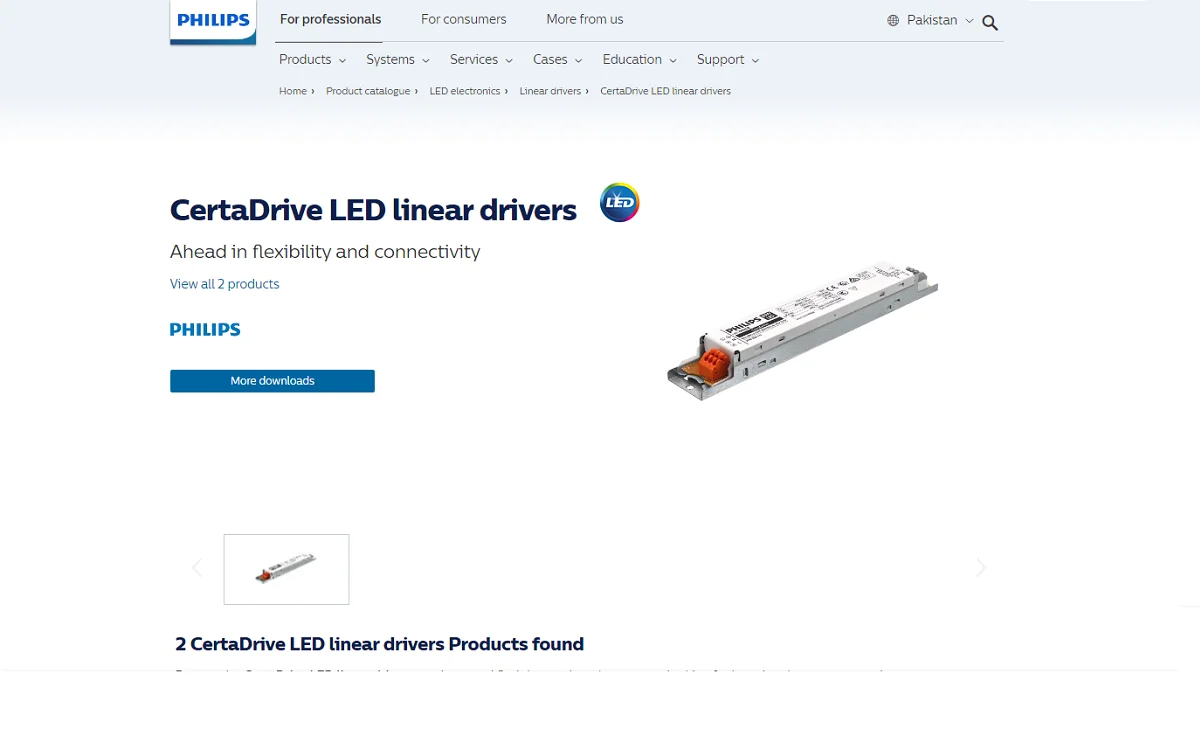
CertaDrive LED Linear Drivers (Philips): If you’re in the market for high-quality LED linear drivers, look no further than CertaDrive. These innovative products are designed to provide exceptional performance, reliability, and efficiency, making them compatible with CertaFlux LED strip HV4. In this article, we’ll take a closer look at CertaDrive Philips LED linear drivers, exploring their key features, benefits, and applications.

What Are CertaDrive LED Linear Drivers?

CertaDrive LED linear drivers are high-performance power supplies designed to drive LED lighting systems. They feature advanced technology that ensures optimal efficiency, stability, and longevity, providing reliable and consistent performance even in demanding applications.

CertaDrive 40W 360mA 110V 230V 929000974906

CertaDrive 60W 350mA 170V 230V 929002108680

Key Features and Benefits of CertaDrive LED Linear Drivers

There are many reasons to choose CertaDrive LED linear drivers for your lighting system needs. Some of the key features and benefits include:

  • 50,000-hour lifetime and 3-year warranty
  • Applicable for waterproof luminaires, recessed, surface and suspended luminaires in offices and high bay luminaires
  • Open load protection
  • Short-circuit protection
  • Over power protection

The new CertaDrive non-isolated single current range is a great choice for basic lighting needs, especially for high volume applications. This range offers a popular vout/Iout mix, which means it can be easily customized to meet the specific requirements of any lighting project. The small dimensions of the CertaDrive range make it an ideal choice for projects with limited space.

One of the key benefits of the CertaDrive range is its long lifetime, with a Tcase-life of up to 50,000 hours. This makes it a reliable and cost-effective choice for lighting projects that require long-term performance and low maintenance costs.

The CertaDrive range includes both versions that are suitable for DC emergency operation and standard versions without this feature, providing customers with flexibility to choose the best option for their needs. The CertaDrive dipswitch versions, with four possible output currents, are another option for customers who prefer more flexibility and customization options.

Overall, the CertaDrive non-isolated single current range is a reliable and efficient choice for basic lighting needs, offering advanced technology, long lifetime, and flexibility to meet the specific requirements of any lighting project.

Benefits to using CertaDrive LED linear drivers

There are several benefits to using CertaDrive LED linear drivers for lighting projects, including:

  1. Easy and fast production: The CertaDrive range is designed with a single and fixed current, which makes it easy and fast to produce. This can help reduce production times and costs, while still providing top-quality lighting solutions.
  2. Design freedom: The small dimensions of the CertaDrive drivers (210 x 30 x 21 mm) provide design freedom for lighting projects with limited space. This makes it possible to incorporate high-quality lighting into a wide range of applications, without sacrificing design aesthetics.
  3. Optimal performance: The CertaDrive range is designed to work in tandem with CertaFlux Gen2 LED lines, ensuring optimal performance and efficiency. This system approach guarantees that the CertaDrive drivers and CertaFlux LED lines are perfectly matched to provide the best possible lighting solutions.

Overall, the CertaDrive LED linear drivers offer numerous benefits that make them an ideal choice for lighting projects of all types. With their easy and fast production, design freedom, and optimal performance, these drivers can provide reliable, high-quality lighting solutions that meet the specific needs of any application.

Applications of CertaDrive LED Linear Drivers

CertaDrive Philips LEDLinear drivers are ideal for a wide range of lighting applications, including:

In office environments, CertaDrive Philips LEDLinear drivers can provide bright, efficient lighting that helps employees stay focused and productive. With a wide range of wattage and voltage options available, these drivers can be customized to meet the specific needs of any workspace. They can also help businesses save money on energy costs by using less power than traditional lighting systems.

In retail settings, CertaDrive Philips LEDLinear drivers can help create a bright, inviting atmosphere that draws customers in and encourages them to shop. With their high efficiency and energy savings, these drivers can help businesses reduce their operating costs while still providing top-quality lighting for displays, shelves, and other retail spaces.

In industrial settings, CertaDrive Philips LEDLinear drivers can provide powerful, reliable lighting that helps keep workers safe and productive. With exceptional durability and reliability, these drivers can withstand the harsh conditions often found in industrial environments, such as extreme temperatures and humidity.

Overall, CertaDrive Philips LEDLinear drivers are a versatile and reliable choice for any lighting application, offering advanced technology, exceptional performance, and energy savings that can help businesses save money and reduce their environmental footprint.

Specifications

Operating and electrical

Output current (max.)360 mA
Output power (max.)42 W
Output power (min)29 W
Output current (min)360 mA
Output voltage (max)116 V
Output voltage (min)80 V

Mechanical and housing

HousingCertaDrive Linear 195mm
Housing dimensions209 x 30 x 21.5

Product data

Full product code871869649176800
Order product nameCertaDrive 40W 360mA 110V 230V
EAN/UPC – product8718696491768
Order code929000974906
SAP numerator – quantity per pack1
Numerator – packs per outer box20
SAP material929000974906
Net Weight (Piece)0.143 kg

Conclusion

CertaDrive Philips LED linear drivers are an excellent choice for anyone looking for high-quality, reliable, and efficient power supplies for their LED lighting systems. With a wide range of wattage and voltage options, advanced technology, and exceptional durability, these drivers are suitable for a wide range of applications, including commercial and industrial lighting, architectural lighting, and horticultural lighting. Whether you’re building a new lighting system or upgrading an existing one, CertaDrive Philips LEDlinear drivers are an ideal choice.

A Good Ortho Office Chair: Choosing the Right Chair

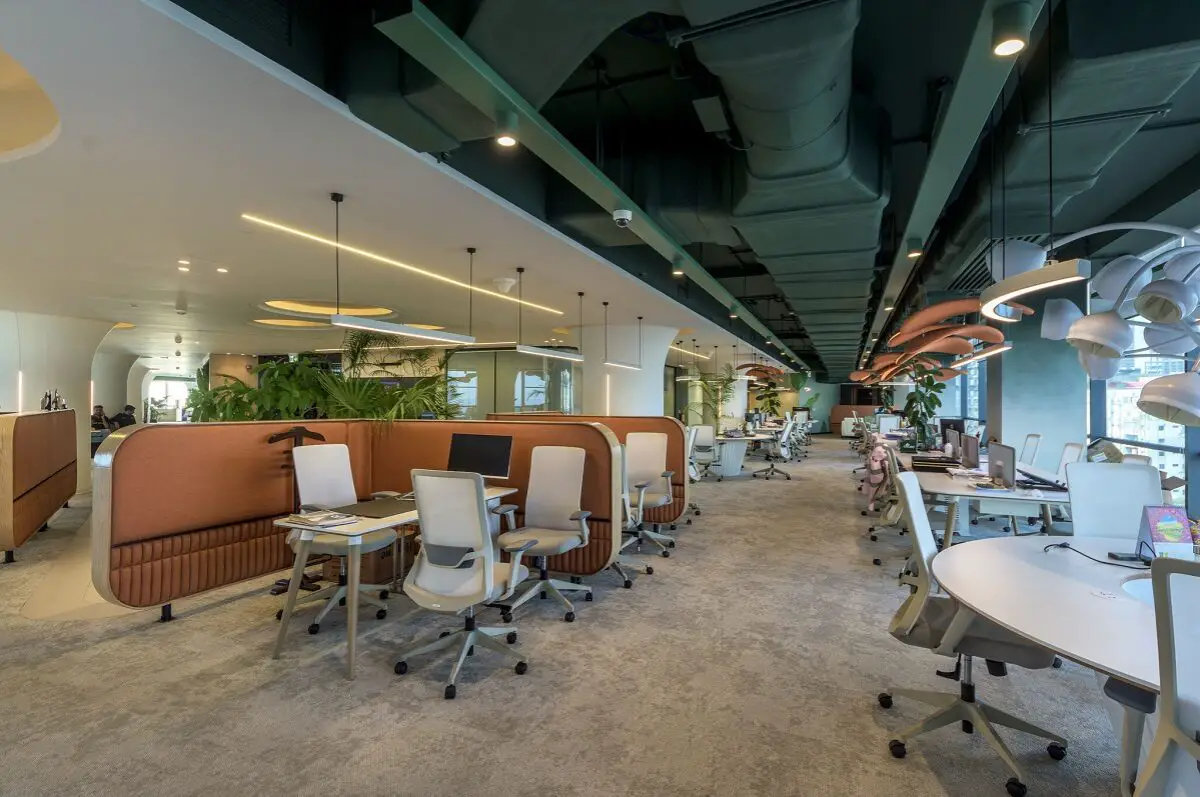
A Good Ortho Office Chair: As we spend more and more time sitting at our desks, it’s becoming increasingly important to choose a chair that is both comfortable and supportive. This is especially true for those of us who suffer from orthopedic issues such as back pain, neck pain, or arthritis. In this article, we’ll discuss what to look for in a ortho office chair, and provide recommendations for some of the best chairs on the market. (US Market)

Why You Need a Good Ortho Office Chair

If you spend a significant amount of time sitting at your desk, you need a chair that is comfortable and supportive. This is especially true if you suffer from any orthopedic issues such as back pain, neck pain, or arthritis. A good ortho officechair can help alleviate these issues by providing proper support for your spine, neck, and joints. It can also help improve your posture and reduce the risk of developing long-term health issues.

The Benefits of a Good Ortho Office Chair

  • Provides proper support for your spine, neck, and joints
  • Helps alleviate orthopedic issues such as back pain, neck pain, or arthritis
  • Improves posture and reduces the risk of developing long-term health issues
  • Increases productivity and reduces fatigue
  • Enhances overall comfort while sitting at your desk

What to Look for in a Good Ortho Office Chair

When shopping for a good ortho chair, there are several factors to consider. These include:

1. Ergonomics

An ergonomic chair is designed to provide proper support and comfort for your body. Look for a chair with adjustable features such as the seat height, armrest height, and backrest tilt. A good ortho office chair should also have a supportive lumbar cushion to help maintain the natural curve of your spine.

2. Comfort

Choose a chair with a comfortable seat cushion that is firm but not too hard. Look for a chair with breathable fabric that won’t cause you to overheat during long periods of sitting.

3. Durability

A good ortho office chair should be built to last. Look for chairs with sturdy frames, high-quality materials, and a long warranty.

4. Style

While not as important as ergonomics or comfort, the style of the chair is still worth considering. Choose a chair that complements the decor of your office while also providing the support and comfort you need.

Best Ortho Office Chairs on the Market

Now that we’ve discussed what to look for in a good ortho office chair, let’s take a look at some of the best chairs on the market:

1. Herman Miller Aeron Chair

The Herman Miller Aeron Chair is widely considered one of the best office chairs on the market. It has a unique design that provides support for your back and neck while also promoting good posture. The chair also has a breathable mesh backrest and a customizable fit.

2. Steelcase Leap Chair

The Steelcase Leap Chair is another popular option for those in need of an ortho office chair. It has a flexible backrest that adjusts to your movements and a seat cushion that conforms to your body. The chair also has adjustable armrests and a sturdy frame.

3. HON Ignition 2.0 Chair

The HON Ignition 2.0 Chair is a more affordable option that still provides great support and comfort. It has a customizable fit and a breathable mesh backrest. The chair also has a sturdy frame and a long warranty.

4. Serta Big and Tall Office Chair

The Serta Big and Tall Office Chair is designed for those who need extra support due to their height and weight. It has a contoured seat cushion and a supportive backrest. The chair also has adjustable armrests and a weight capacity of up to 350 pounds.

5. AmazonBasics High-Back Executive Chair

The AmazonBasics High-Back Executive Chair is an affordable option that still provides good support and comfort. It has a contoured seat cushion and a supportive backrest. The chair also has adjustable armrests and a tilt function.

Conclusion

A good ortho office chair is essential for those who spend a significant amount of time sitting at their desks. When shopping for a chair, look for one that is ergonomic, comfortable, durable, and stylish. Some of the best chairs on the market include the Herman Miller Aeron Chair, Steelcase Leap Chair, HON Ignition 2.0 Chair, Serta Big and Tall Office Chair, and AmazonBasics High-Back Executive Chair.

FAQs

  1. What is an ortho office chair?

An ortho office chair is a chair designed to provide proper support and comfort for those with orthopedic issues such as back pain, neck pain, or arthritis.

  1. Why is it important to have a good ortho officechair?

A good ortho officechair can help alleviate orthopedic issues, improve posture, reduce the risk of developing long-term health issues, increase productivity, and enhance overall comfort while sitting at your desk.

  1. What should I look for in a good ortho officechair?

When shopping for an ortho office chair, look for one that is ergonomic, comfortable, durable, and stylish.

  1. What are some of the best ortho office chairs on the market?

Some of the best ortho office chairs on the market include the Herman Miller Aeron Chair, Steelcase Leap Chair, HON Ignition 2.0 Chair, Serta Big and Tall Office Chair, and AmazonBasics High-Back Executive Chair.

  1. Can an ortho office chair prevent orthopedic issues?

While an ortho office chair cannot prevent all orthopedic issues, it can help alleviate existing issues and reduce the risk of developing long-term health issues.

Photo by Pixabay

3M Safety-Walk 600 Series Yellow General Purpose Tape

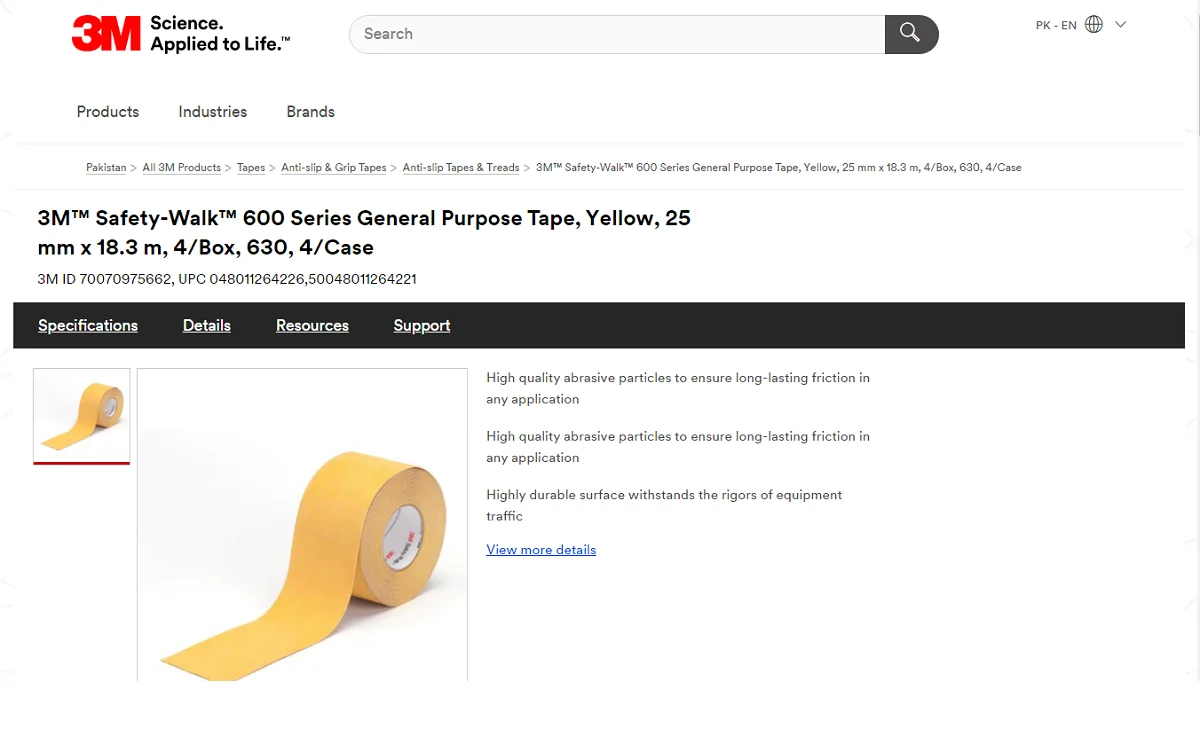
3M Safety-Walk 600 Series Yellow: 3M™ Safety-Walk™ 600 Series General Purpose Tape Yellow is a top-of-the-line anti-slip tape that is designed to provide excellent slip resistance in both wet and dry conditions. This tape is ideal for use on a variety of surfaces, including stairs, ramps, and walkways. The bright yellow color of the tape provides high visibility, making it an ideal choice for marking hazardous areas or highlighting safe pathways. In this article, we will take a closer look at the features and benefits of 3M™ Safety-Walk™ 600 Series General Purpose Tape Yellow.

Features and Benefits: 3M Safety-Walk 600 Series Yellow

  • Slip-resistant surface: The 3M™ Safety-Walk™ 600 Series General Purpose Tape Yellow is designed with a slip-resistant surface that provides excellent traction in both wet and dry conditions. This helps to reduce the risk of slips, trips, and falls, which are a leading cause of workplace injuries.
  • High visibility: The bright yellow color of the tape provides high visibility, making it easy to identify hazardous areas or highlight safe pathways. This helps to increase safety awareness and reduce the risk of accidents.
  • Durable: The tape is made with a durable, abrasion-resistant surface that can withstand heavy foot traffic and harsh environments. This helps to ensure long-lasting performance and reduces the need for frequent replacements.
  • Easy to install: The tape is easy to install and can be cut to size using scissors or a utility knife. The adhesive backing ensures a strong, permanent bond to most surfaces, including concrete, wood, and metal.
  • Versatile: The 3M™ Safety-Walk™ 600 Series General Purpose Tape Yellow is suitable for use on a variety of surfaces, including stairs, ramps, and walkways. It is also ideal for use in factories, warehouses, and other industrial settings where slip and fall hazards are a concern.

Product Specifications:

  • Size: The tape is available in a range of sizes, including 25mm x 18.3m, 50mm x 18.3m, and 100mm x 18.3m.
  • Material: The tape is made from a fine-textured, slip-resistant mineral surface that is bonded to a pressure-sensitive adhesive backing.
  • Color: The tape is bright yellow in color, making it highly visible in a variety of lighting conditions.
  • Temperature range: The tape is designed to withstand temperatures ranging from -40°C to 60°C, making it suitable for use in a wide range of environments.
  • Certification: The 3M™ Safety-Walk™ 600 Series General Purpose Tape Yellow meets the requirements of various safety standards, including ASTM D-2047, ANSI A1264.2-2006, and OSHA 1910.24 and 1910.26.

Conclusion: The 3M™ Safety-Walk™ 600 Series General Purpose Tape Yellow is a highly effective solution for reducing slip and fall hazards in a wide range of settings. Its slip-resistant surface, high visibility, and durability make it an ideal choice for use on stairs, ramps, and walkways. Additionally, its versatility and ease of installation make it an excellent option for use in industrial settings. With its superior features and benefits, it is clear that 3M™ Safety-Walk™ 600 Series General Purpose Tape Yellow is a top-of-the-line anti-slip tape that provides exceptional performance and reliability.

Samsung Galaxy A72 Review: A Mid-Range Smartphone with Impressive Features

The Samsung Galaxy A72 is a mid-range smartphone that offers a number of impressive features. In this review, we’ll take a closer look at the technical specifications of the phone and what extra Samsung is offering.

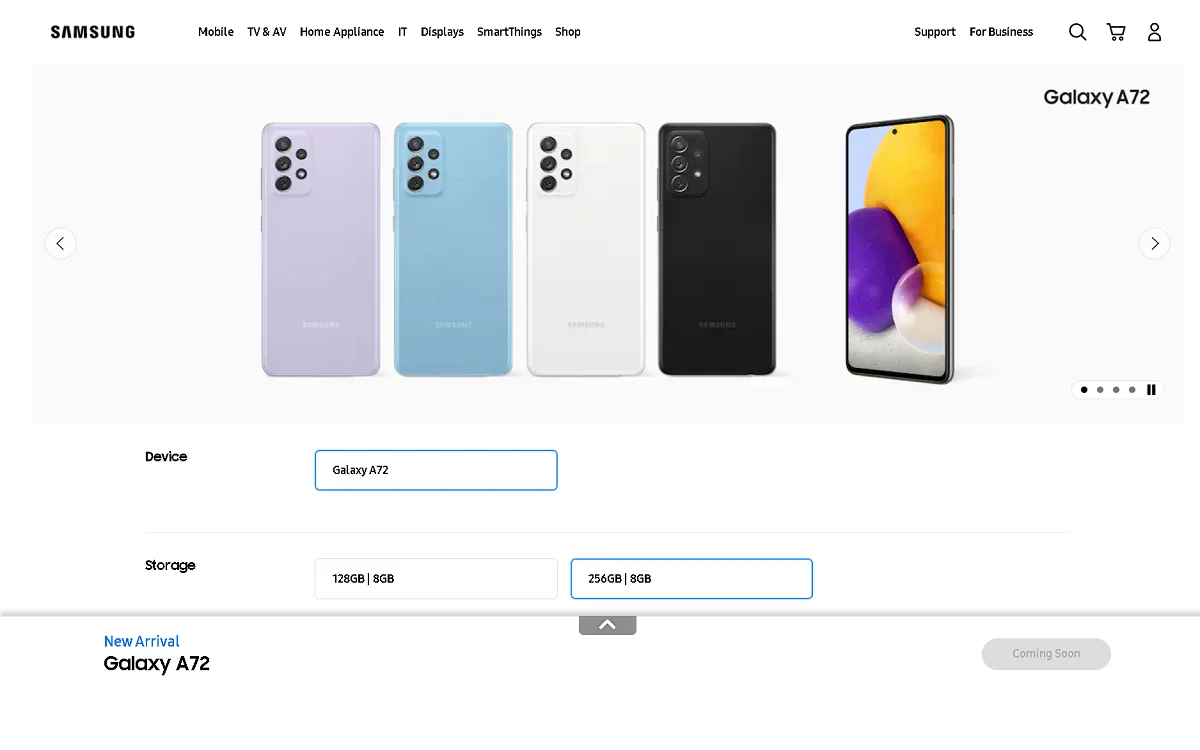
The Samsung Galaxy A72 comes in four trendsetting colors: Awesome Violet, Awesome Black, Awesome White, and Awesome Blue1According to Unite4Buy, white and black are the most popular and common colors for the Samsung Galaxy A72 6/128GB2However, Samsung’s website states that color availability may vary by country or carrier1.

Design and Display

The Galaxy A72 has a 6.7-inch Super AMOLED display with a resolution of 1080 x 2400 pixels. The phone has an Infinity-O display with a punch-hole cutout for the front camera. The display has a 90Hz refresh rate, which makes it smoother than most other mid-range smartphones.

Performance

The phone is powered by an octa-core Qualcomm Snapdragon 720G processor and comes with 6GB/8GB of RAM and 128GB/256GB of internal storage,  internal storage, adding up to 1TB with microSD card.. The device runs on Android 11 and is powered by a 5000mAh battery.

Camera

The phone has Get eye-like 123˚ vision with a 12MP Ultra Wide Camera, crop down with a 12MP Wide Angle Camera or zoom in on a 3x optical zoom 8MP Telephoto Camera.

The Samsung Galaxy A72 has a quad-camera setup on the back, which includes a 64-megapixel primary camera, a 12-megapixel ultra-wide-angle camera, an 8-megapixel telephoto camera, and a 5-megapixel macro camera1. Here’s some more information about the ultra-wide and macro cameras:

Ultra-Wide Camera

The Galaxy A72’s ultra-wide camera has a resolution of 12 megapixels and an aperture of f/2.21According to reviews from top tech experts, the ultra-wide camera captures solid photos2.

Macro Camera

The Galaxy A72’s macro camera has a resolution of 5 megapixels and an aperture of f/2.41. According to Samsung’s website, you can use the macro camera by following these steps:

  1. Head into your Camera app
  2. Swipe across the camera modes and select MORE
  3. Tap on MACRO
  4. Ensure your subject is within 3-5 cm
  5. Adjust the scale to increase or decrease the amount of light captured within the shot

Extra Features

The Galaxy A72 comes with IP67 water and dust resistance, which means it can withstand being submerged in up to one meter of water for up to 30 minutes. It also has an in-display fingerprint sensor, Bluetooth 5.0, Wi-Fi 802.11 a/b/g/n/ac, GPS, NFC, USB Type-C port, and dual-SIM support.

Software

Describe the software experience of the Samsung Galaxy A72, mentioning its Android 11 operating system with One UI 3.1 skin on top. Praise the user interface design and functionality, noting its customization options, accessibility features, dark mode, edge panel, etc. Mention some of the software features and services that Samsung offers, such as Samsung Pay, Samsung Knox, Samsung Health, Bixby, etc. Mention the bloatware issue and how some pre-installed apps can be uninstalled or disabled. Praise the software update policy of Samsung that promises three years of major Android updates and four years of security patches for the phone.

Reviews

According to reviews from top tech experts, the Samsung Galaxy A72 is an enticing option in its segment. The phone looks quite good with its frosty matte finish, and the Super AMOLED display is a visual treat. The phone’s quad-camera setup is also impressive. However, some reviewers have noted that the macro camera is not very good.

In conclusion, the Samsung Galaxy A72 is a mid-range smartphone that offers impressive features such as its Super AMOLED display with a high refresh rate, quad-camera setup on the back, and IP67 water and dust resistance. If you’re looking for a capable smartphone that won’t break the bank, the Galaxy A72 is definitely worth considering. Summarize the main points of the article and give a verdict on whether the Samsung Galaxy A72 is worth buying or not. Mention its strengths and weaknesses and compare it to some of its competitors in terms of price and features. Give a rating or a recommendation based on your evaluation.